

Morris Street Historic Renovation in Downtown Charleston, SC
When a century-old home on Morris Street in Charleston's Historic Downtown District needed a complete transformation, O'Connor Homes answered the call.
This historic renovation project stands as one of our most rewarding challenges — a careful, respectful rehabilitation of a property that carries the weight and beauty of Charleston's storied architectural heritage.
A Historic Home in the Heart of Downtown Charleston
Morris Street runs through one of Charleston's most character-rich neighborhoods, a corridor lined with 19th-century homes that define the visual identity of the Lowcountry city.
Properties in this area fall under the oversight of the Board of Architectural Review (BAR) and are held to strict historic preservation guidelines that govern everything from exterior paint colors to window replacements and roofing materials.
Historic renovation in Downtown Charleston is fundamentally different from standard remodeling work. It requires contractors who understand the difference between restoring and merely replacing — and who have the patience, skill, and local relationships to get approvals done right while delivering a home that functions beautifully for modern life.
The Challenge:
Preserving Character
While Modernizing Systems
Like most historic Charleston homes, the Morris Street property arrived with a mix of original beauty and decades of accumulated wear. Our team at O’Connor Homes completed a comprehensive pre-renovation assessment to identify:
- Original structural elements worth preserving—including hardwood floors, original millwork, period-appropriate trim details, and plaster walls
- Systems in need of full replacement—aging electrical wiring, outdated plumbing, and an HVAC configuration not suited for Charleston's heat and humidity
- Exterior elements requiring careful restoration—wood siding, historic windows, and roof detailing that needed expert rehabilitation rather than wholesale removal
- Code compliance requirements that had to be met without compromising the home's historical fabric
Every decision on a historic renovation project like this one involves a balancing act: honoring what makes the home remarkable while creating a living space that meets the needs of a 21st-century homeowner.

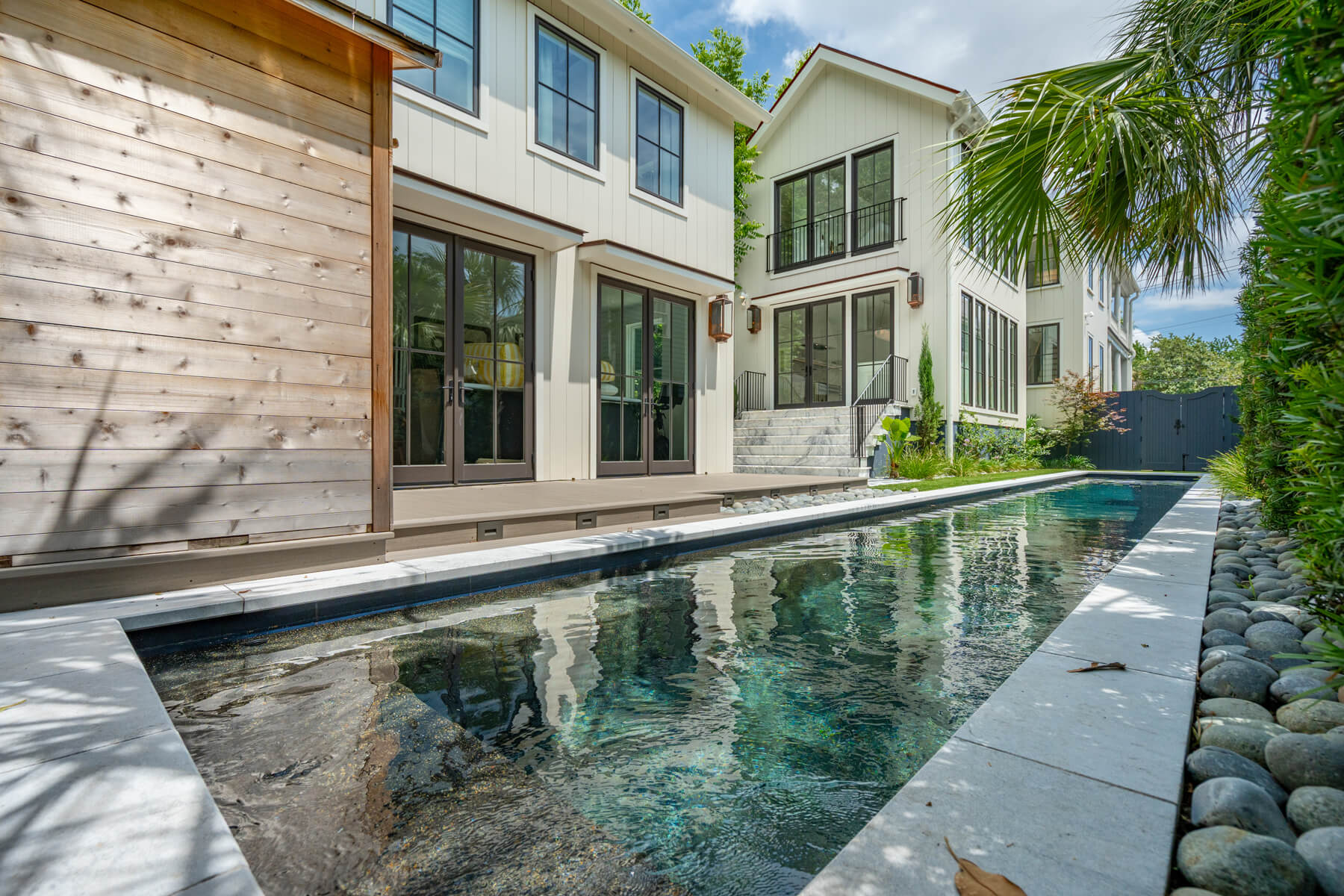


Navigating Historic Preservation Requirements in Charleston
For homeowners unfamiliar with historic renovation in Charleston, SC, the regulatory side can feel daunting. The Board of Architectural Review reviews all exterior changes in Charleston's historic districts, and applications must be detailed, accurate, and backed by appropriate material specifications.
O'Connor Homes handles the entire BAR process on behalf of our clients — from pre-application research and documentation to presenting at BAR hearings when required. Our long experience with Charleston's historic preservation process means fewer delays, clearer submittals, and a smoother path to approval.
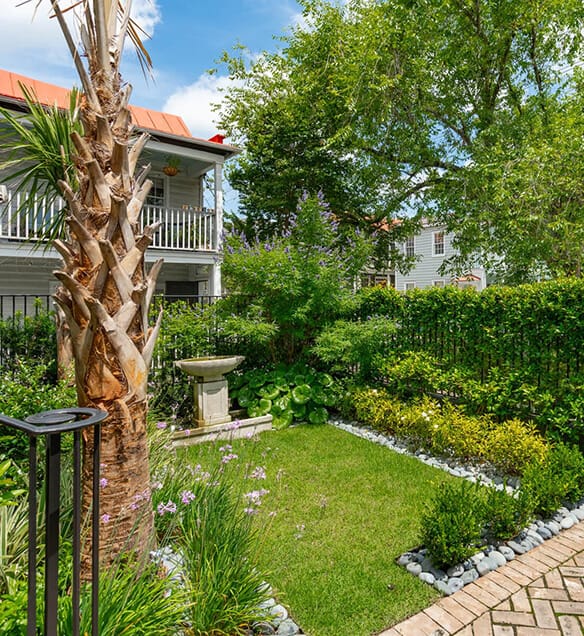
Our Approach to Historic Restoration and Rehab
O’Connor Homes has built our reputation in historic restoration and rehab in Charleston, SC, on a simple principle — we don’t come in with a bulldozer. Our mission is to save as much of the original charm and historic detail as possible, finding creative solutions that keep what matters and quietly update what needs to change.
For the Morris Street project, that meant:
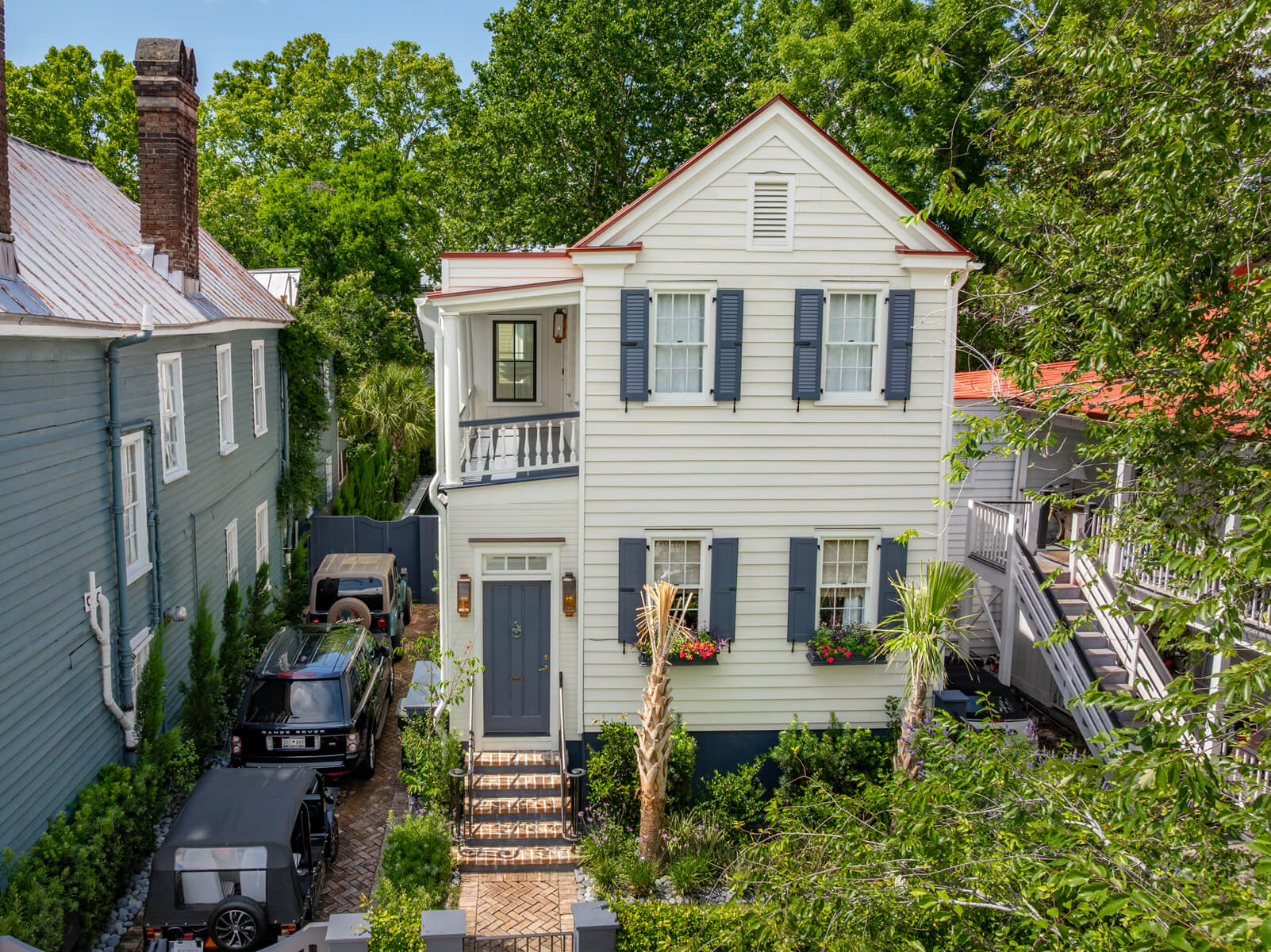
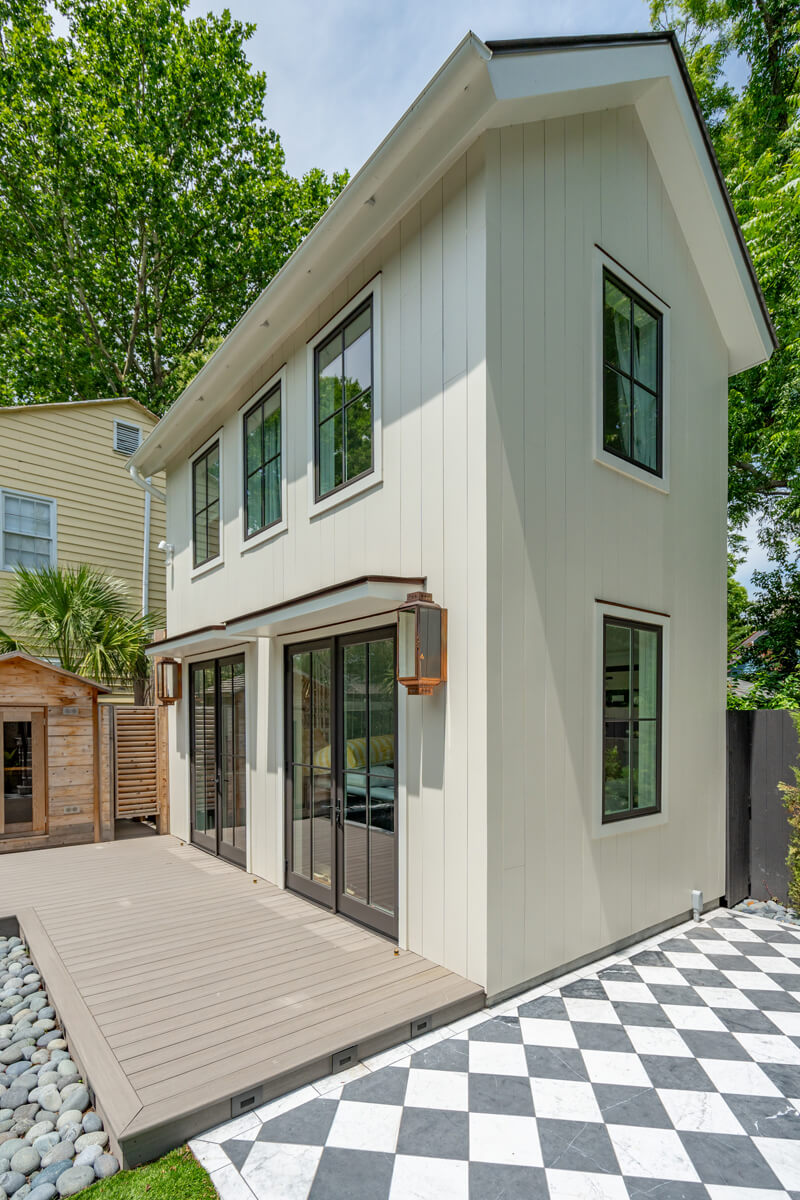
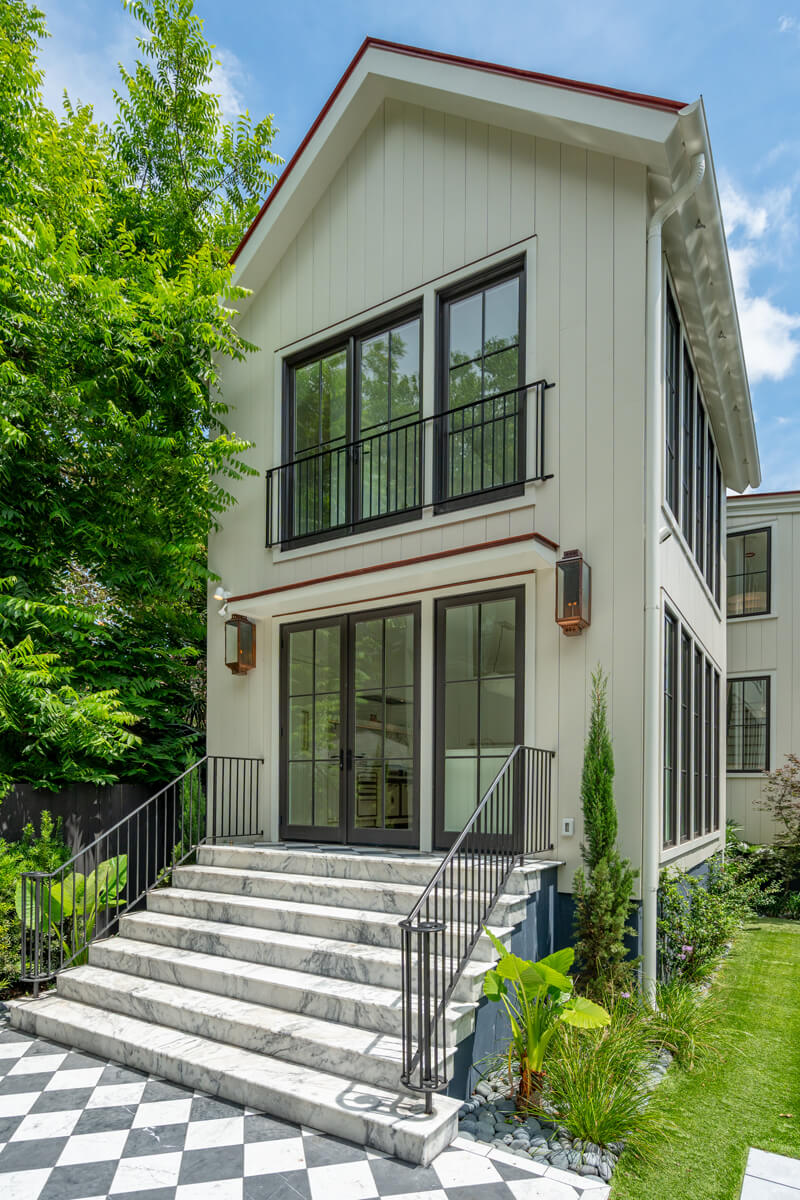
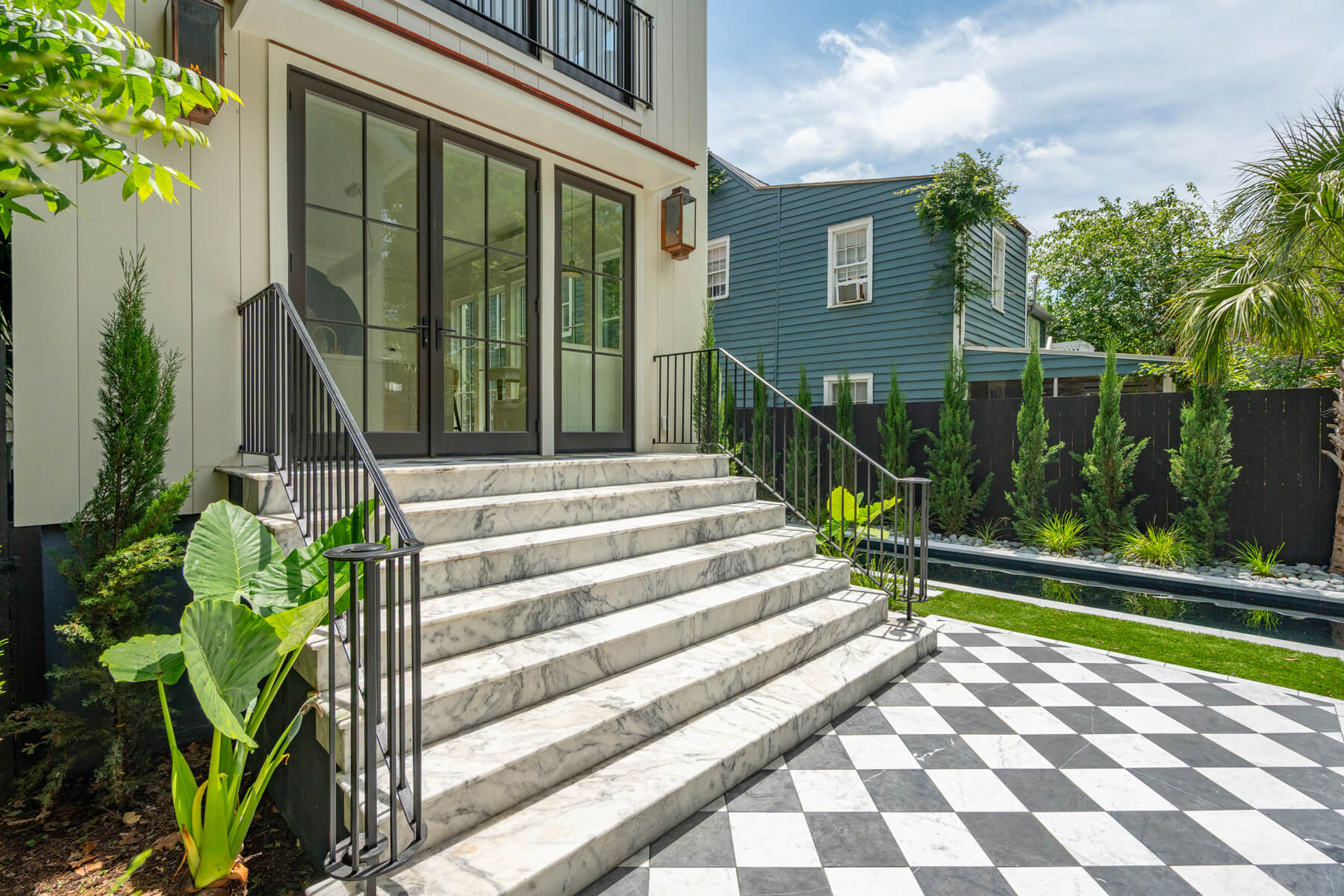
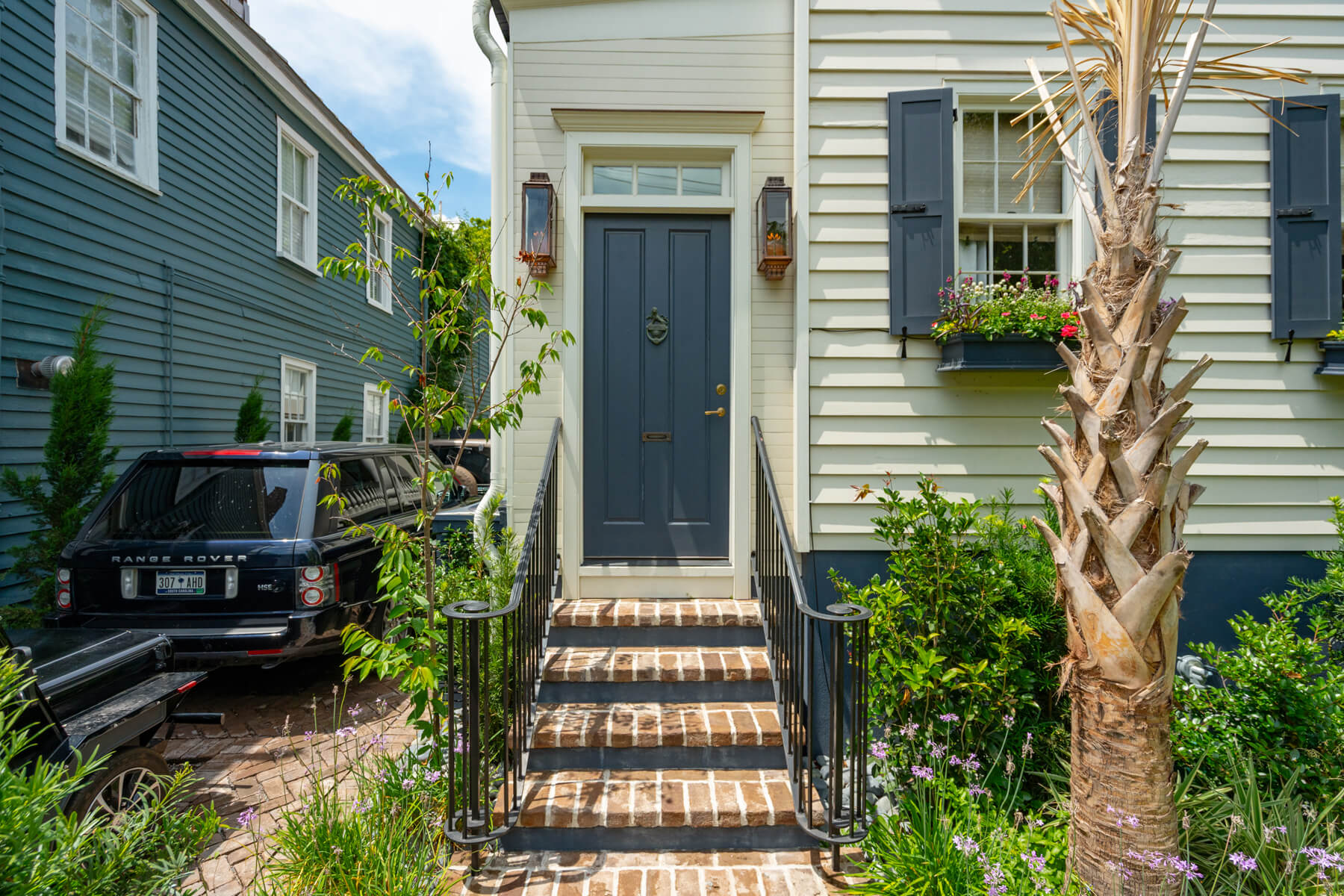
The home's original siding was carefully repaired rather than replaced wholesale. Damaged sections received matching period-appropriate materials. Windows were restored and weatherproofed to current efficiency standards while preserving their original profiles — a process significantly more labor-intensive than a simple window swap, but essential for maintaining the home's historic character and BAR compliance.
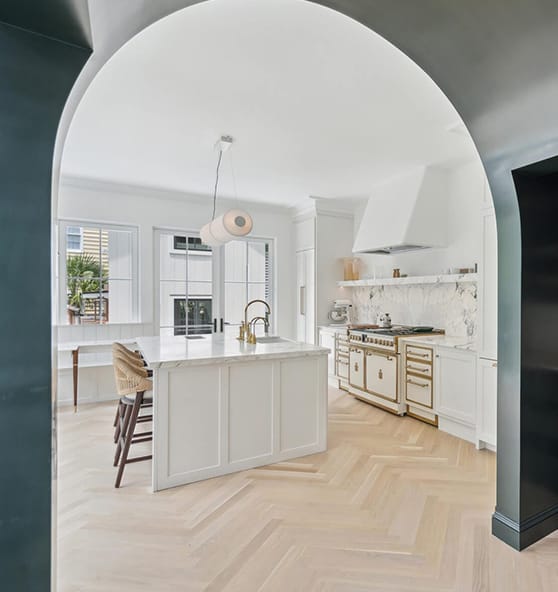
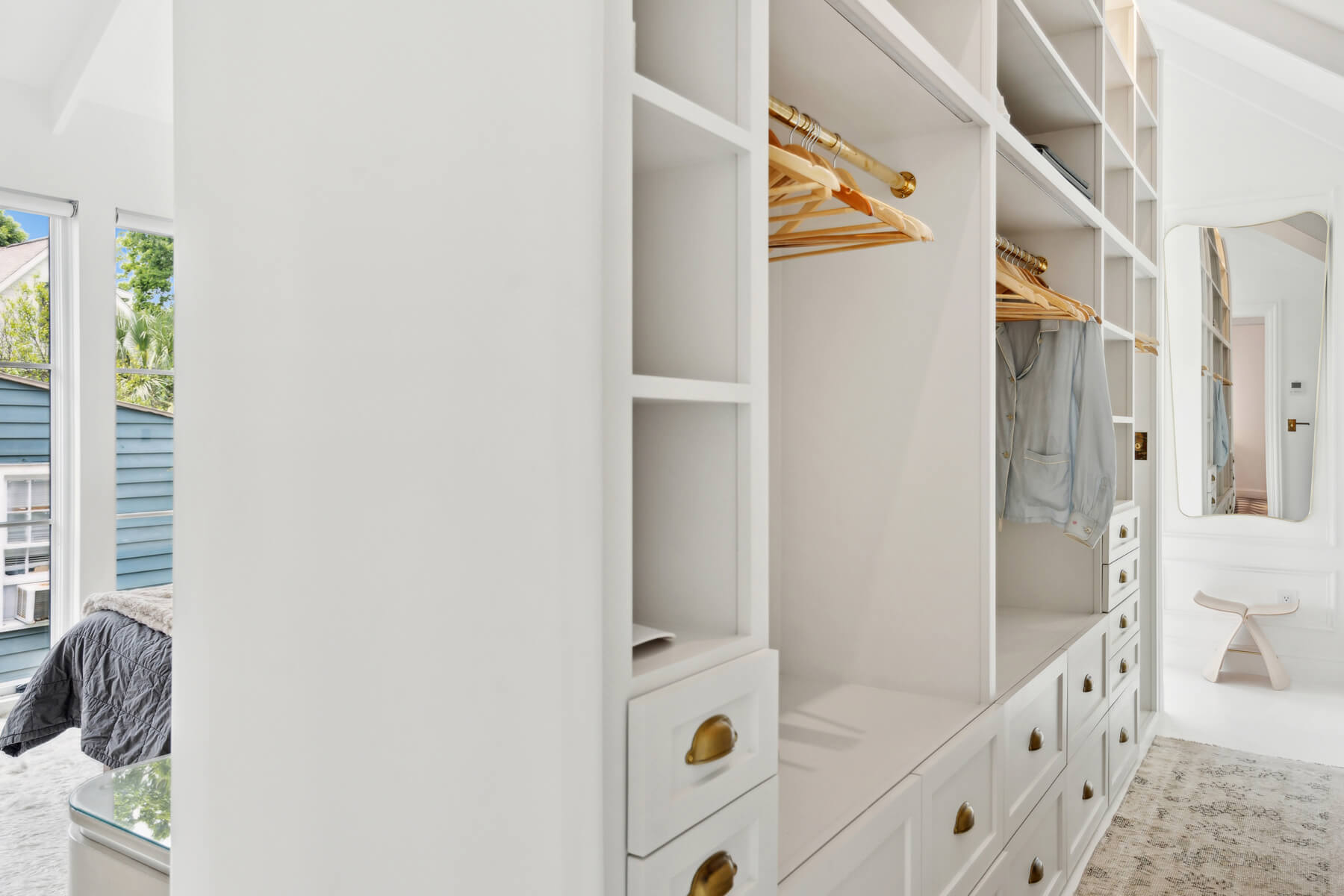
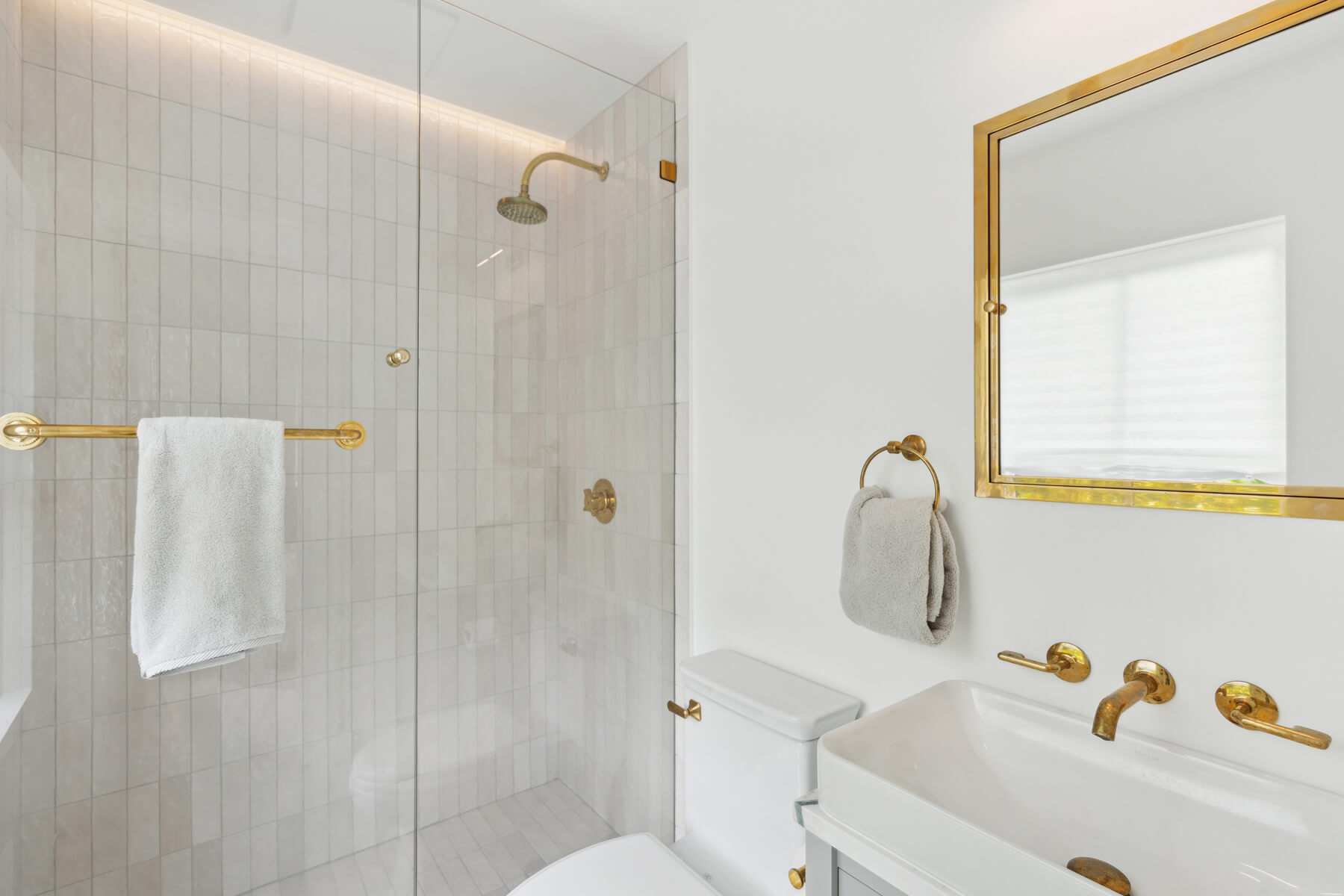
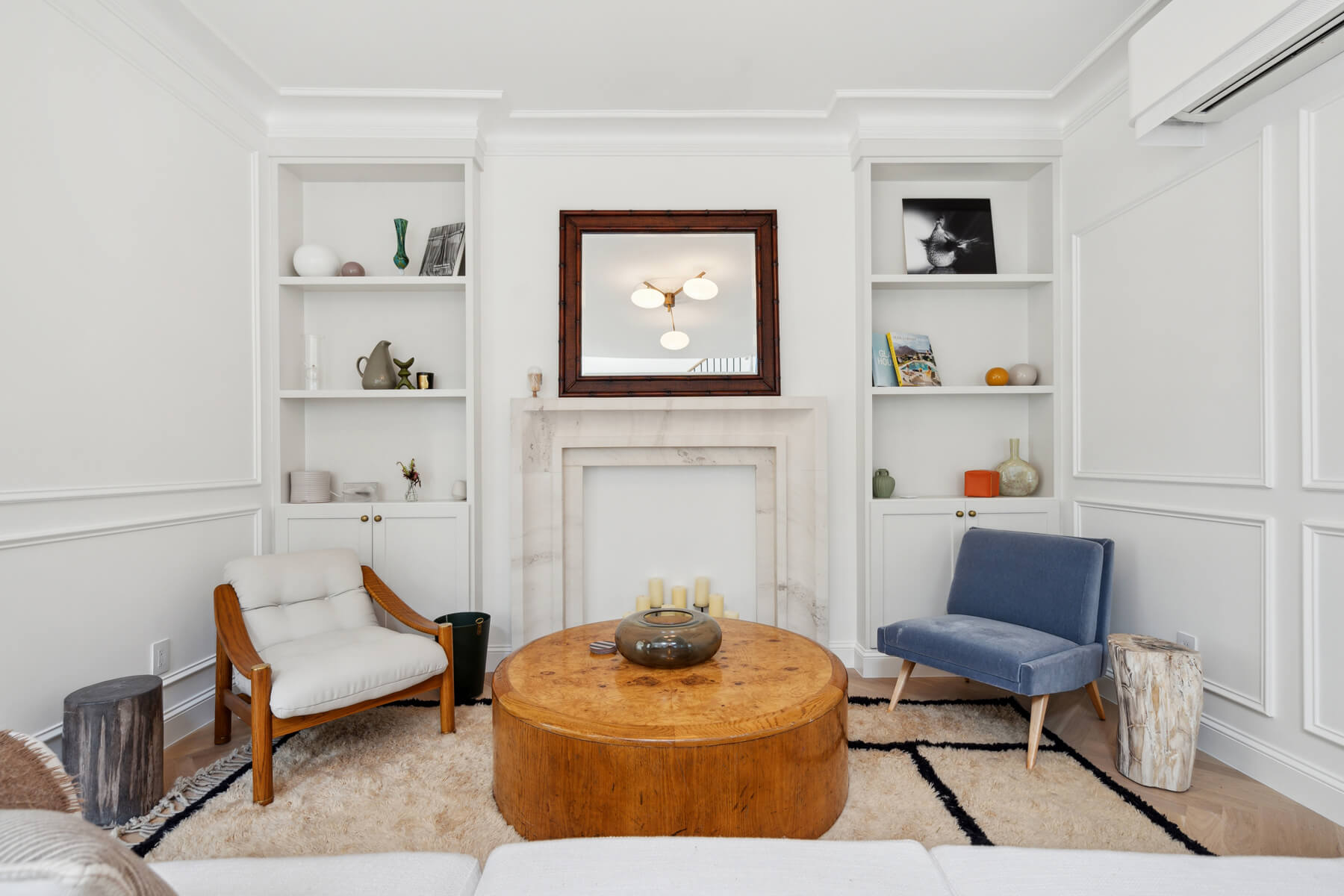
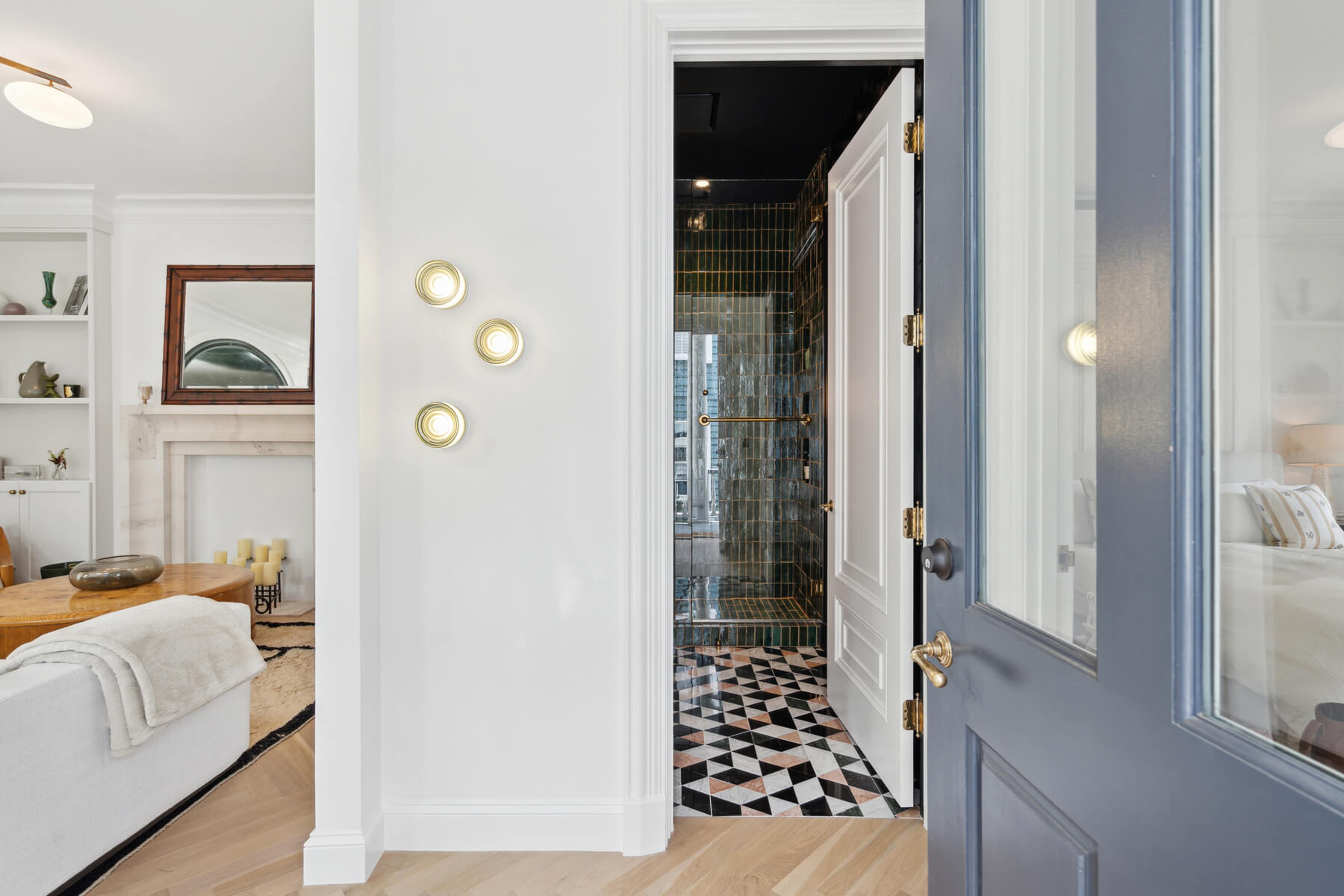
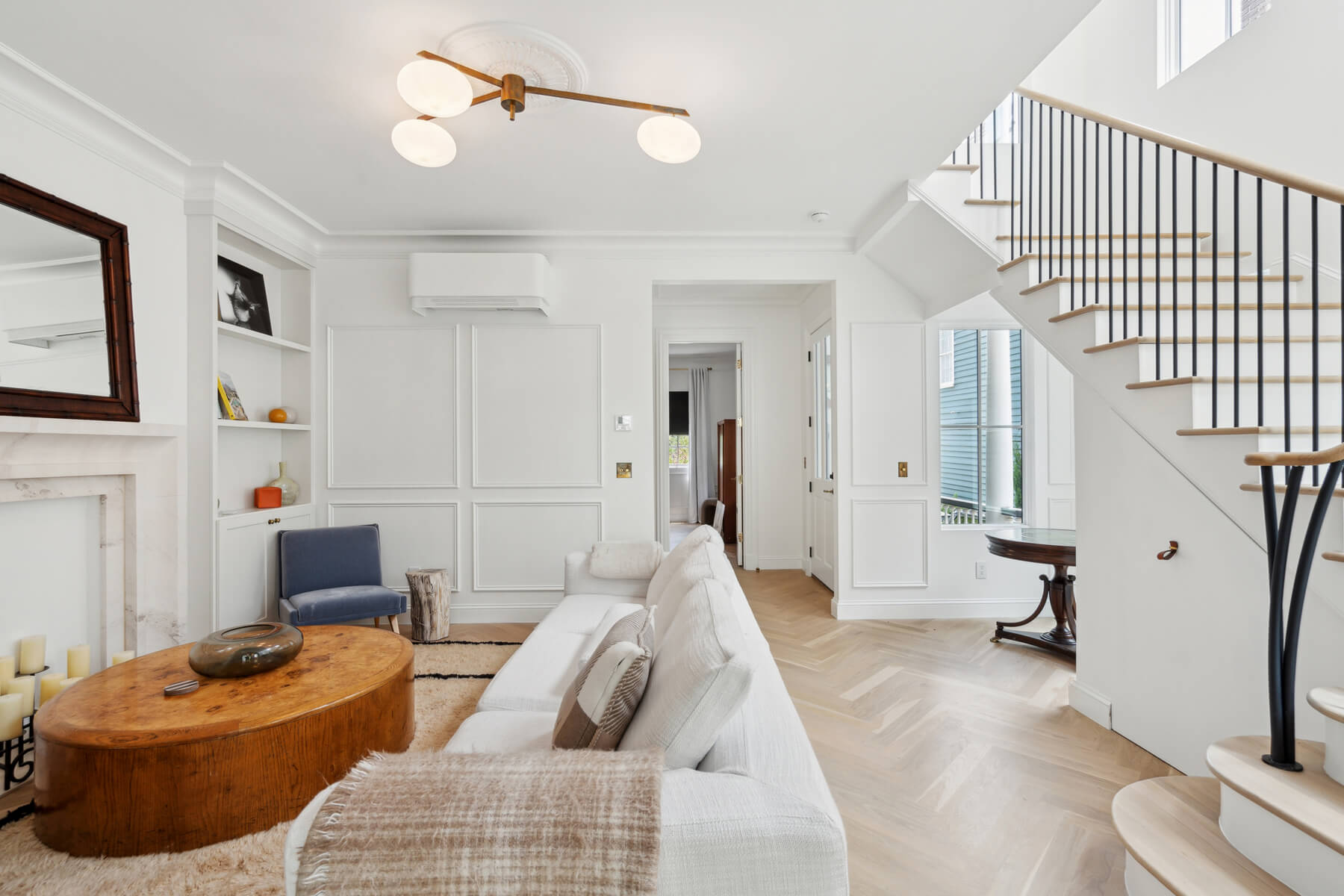
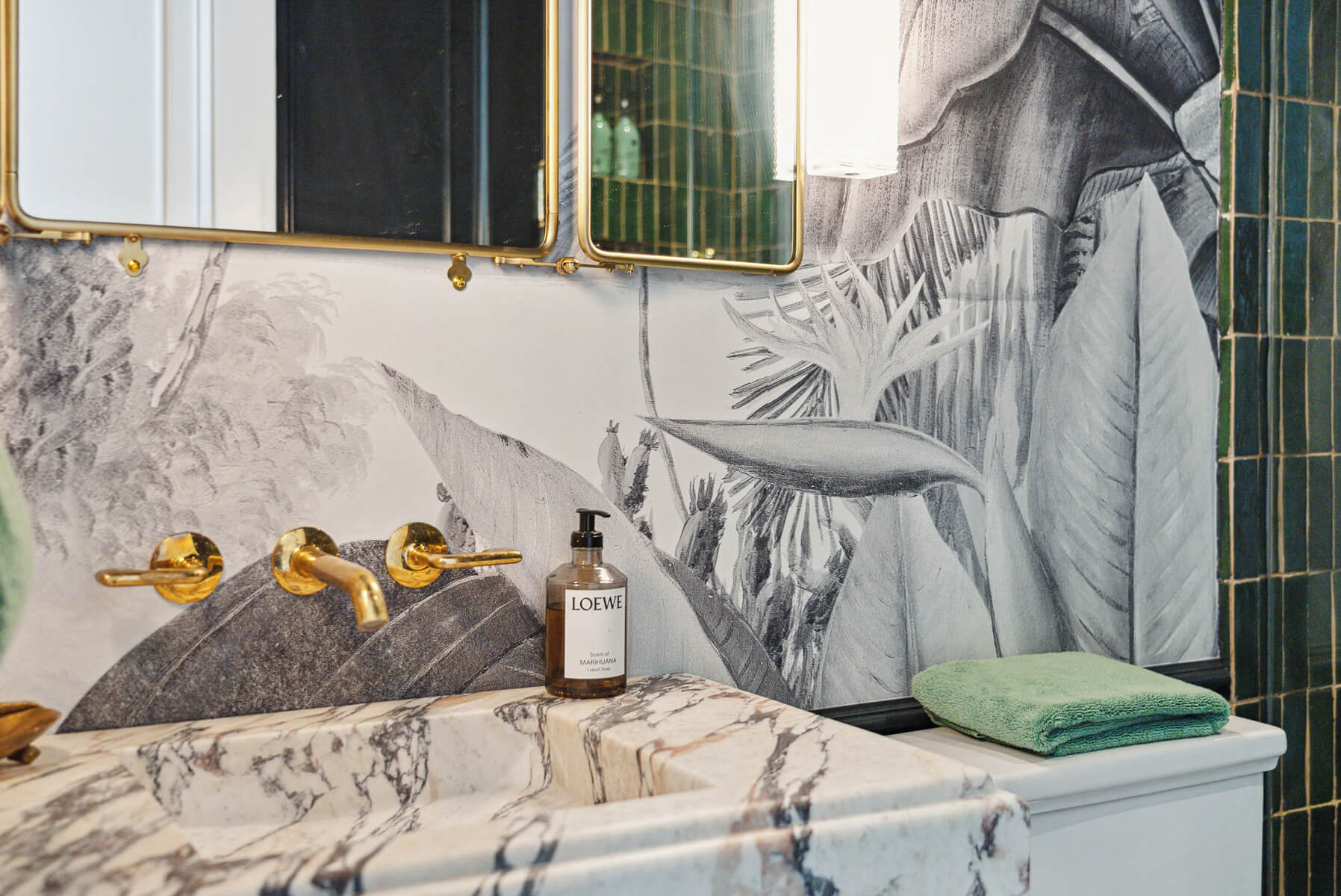
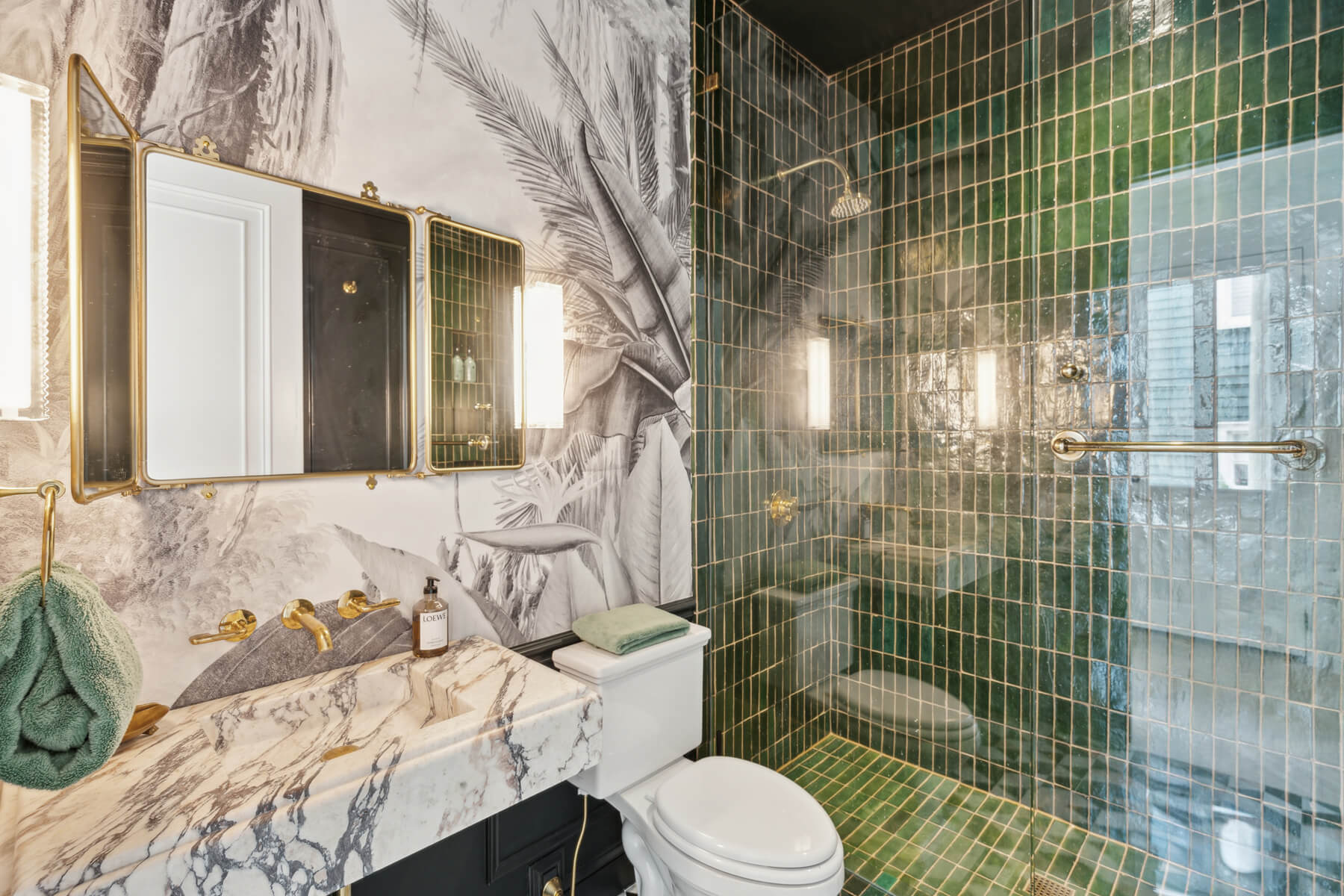
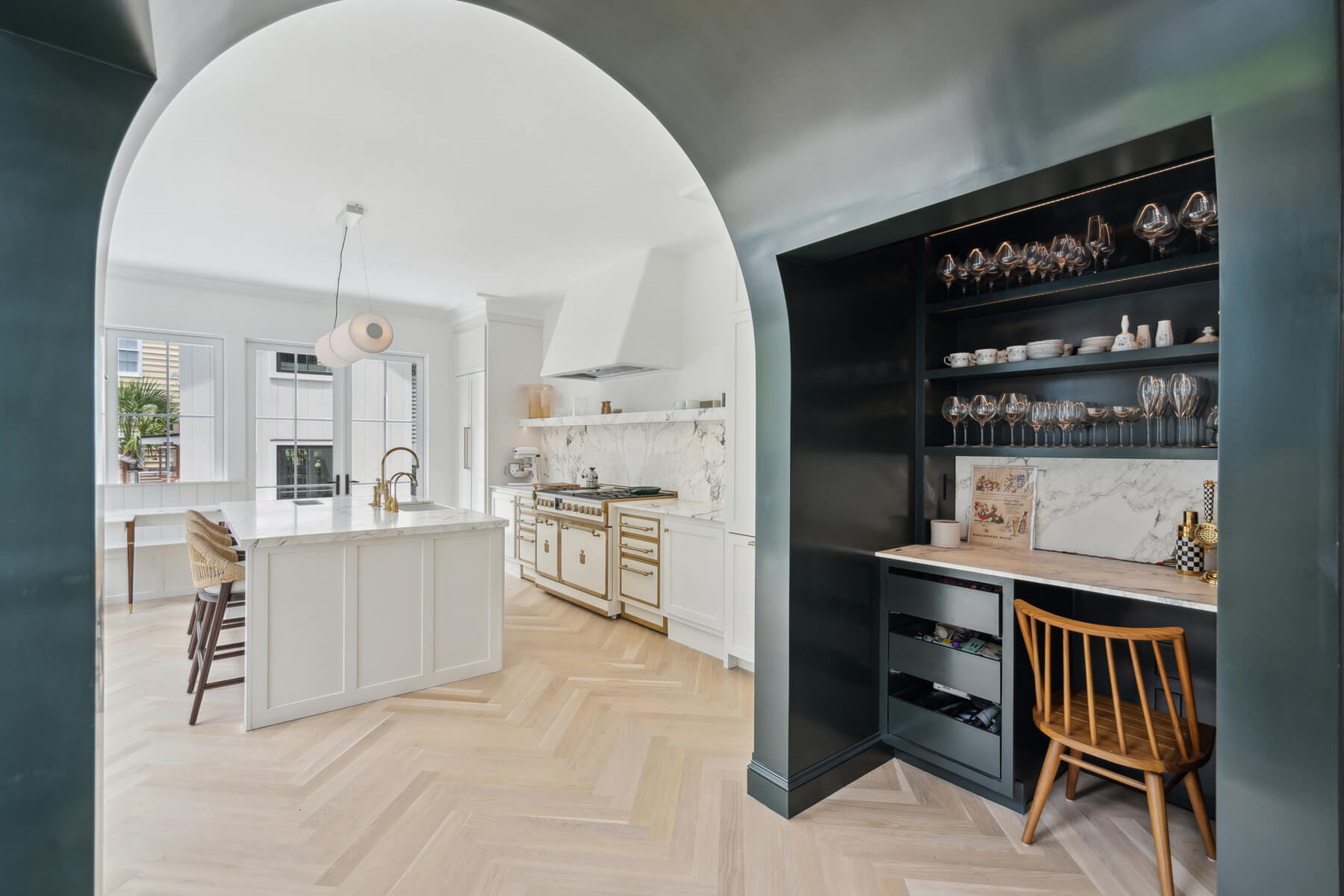
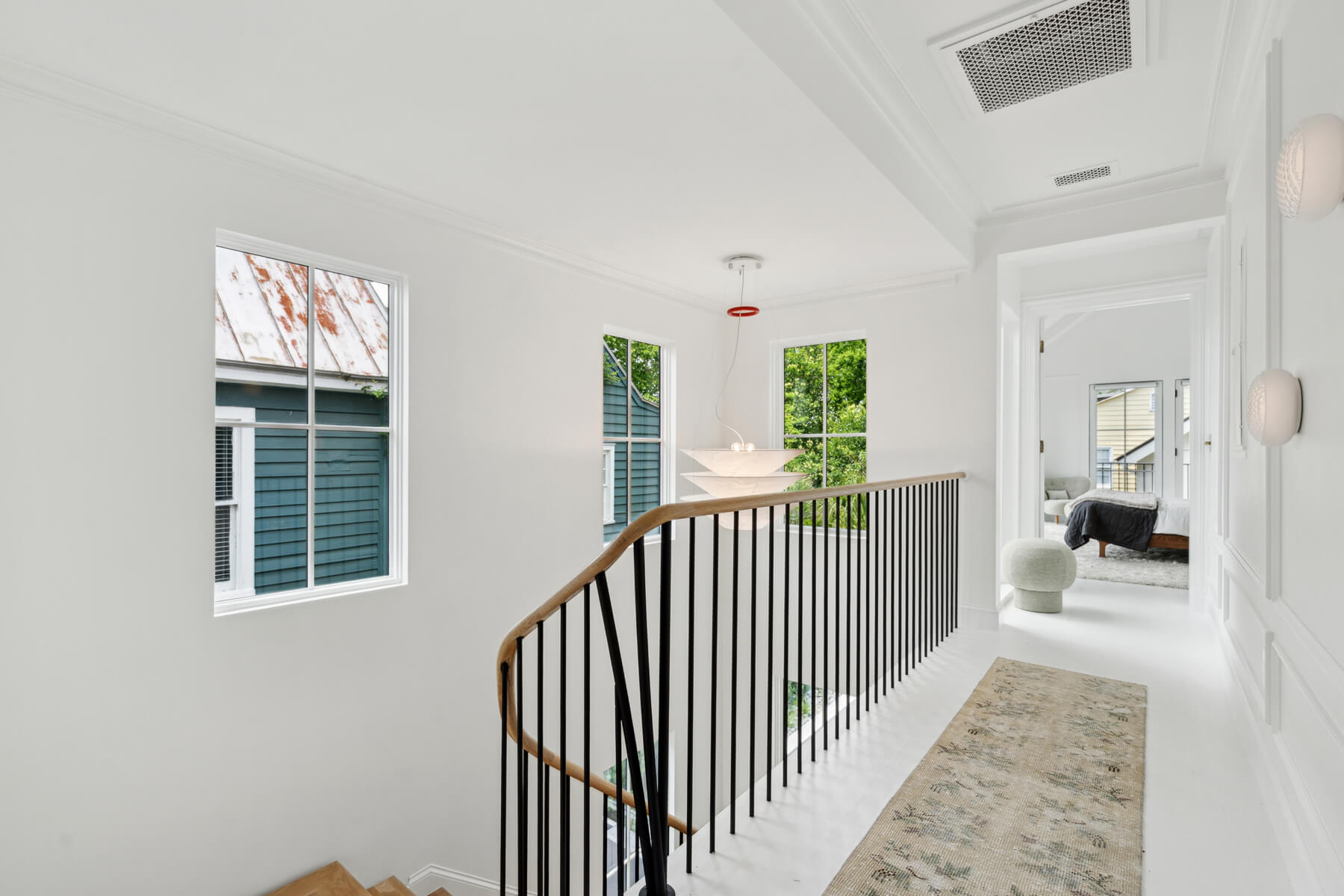
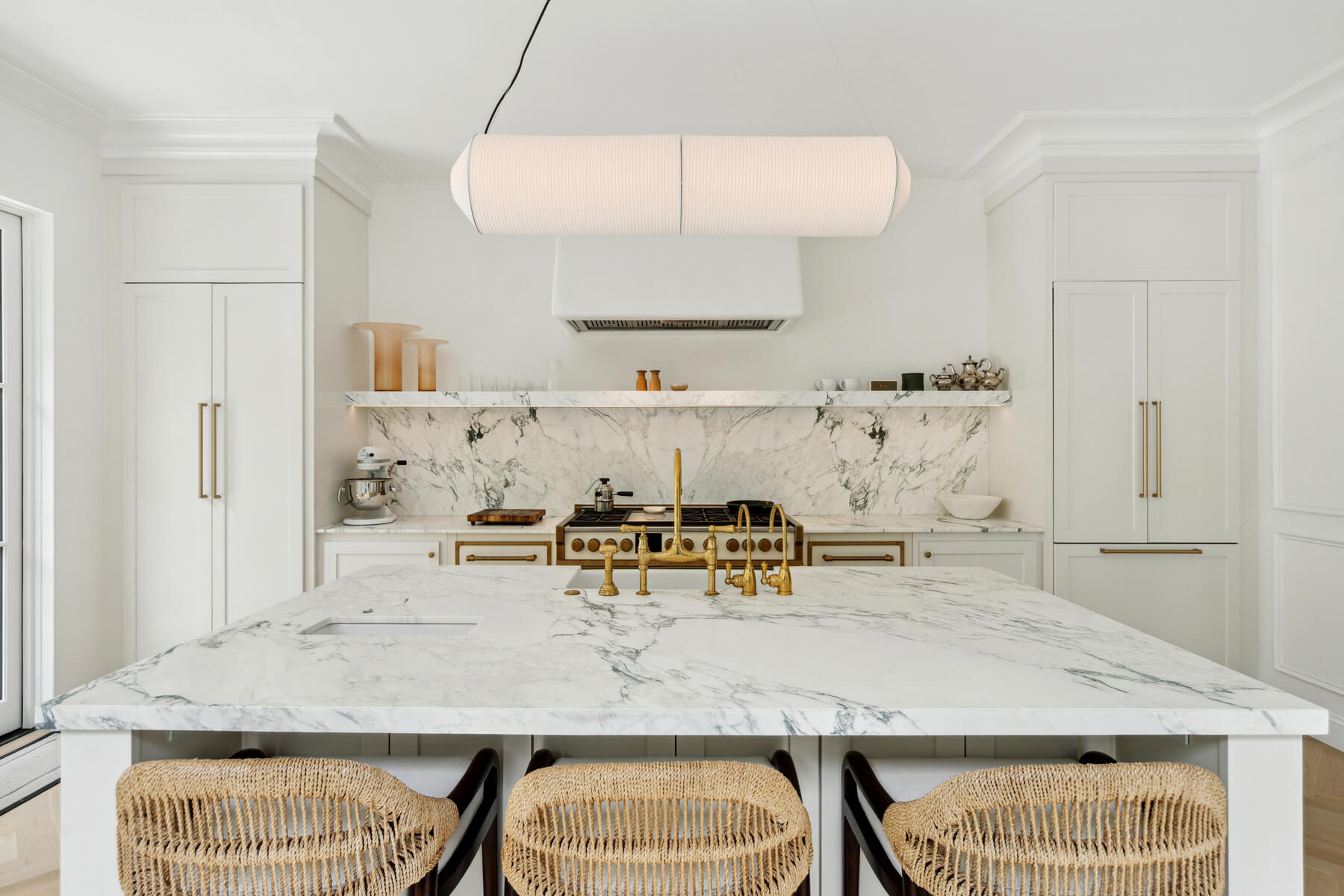
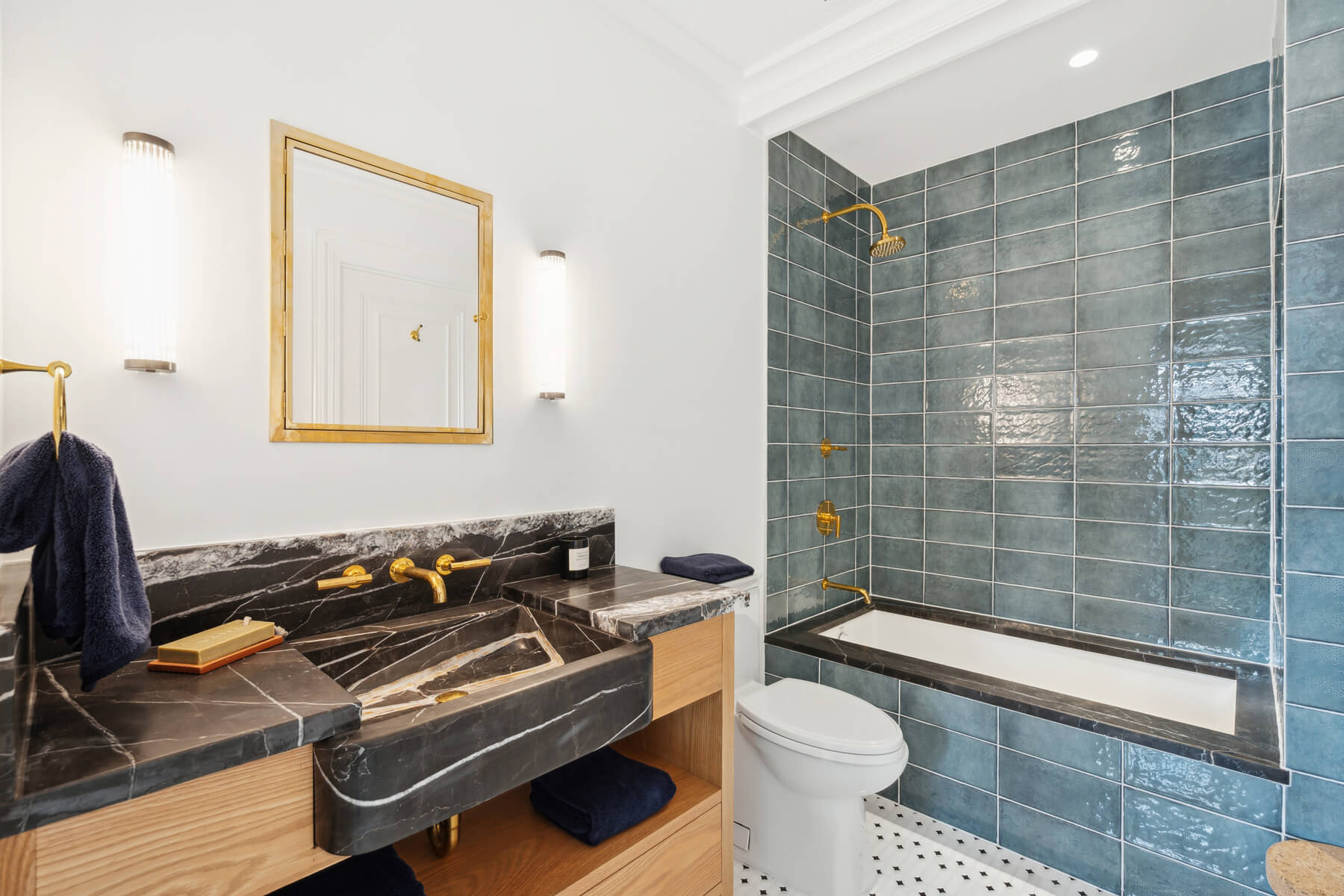
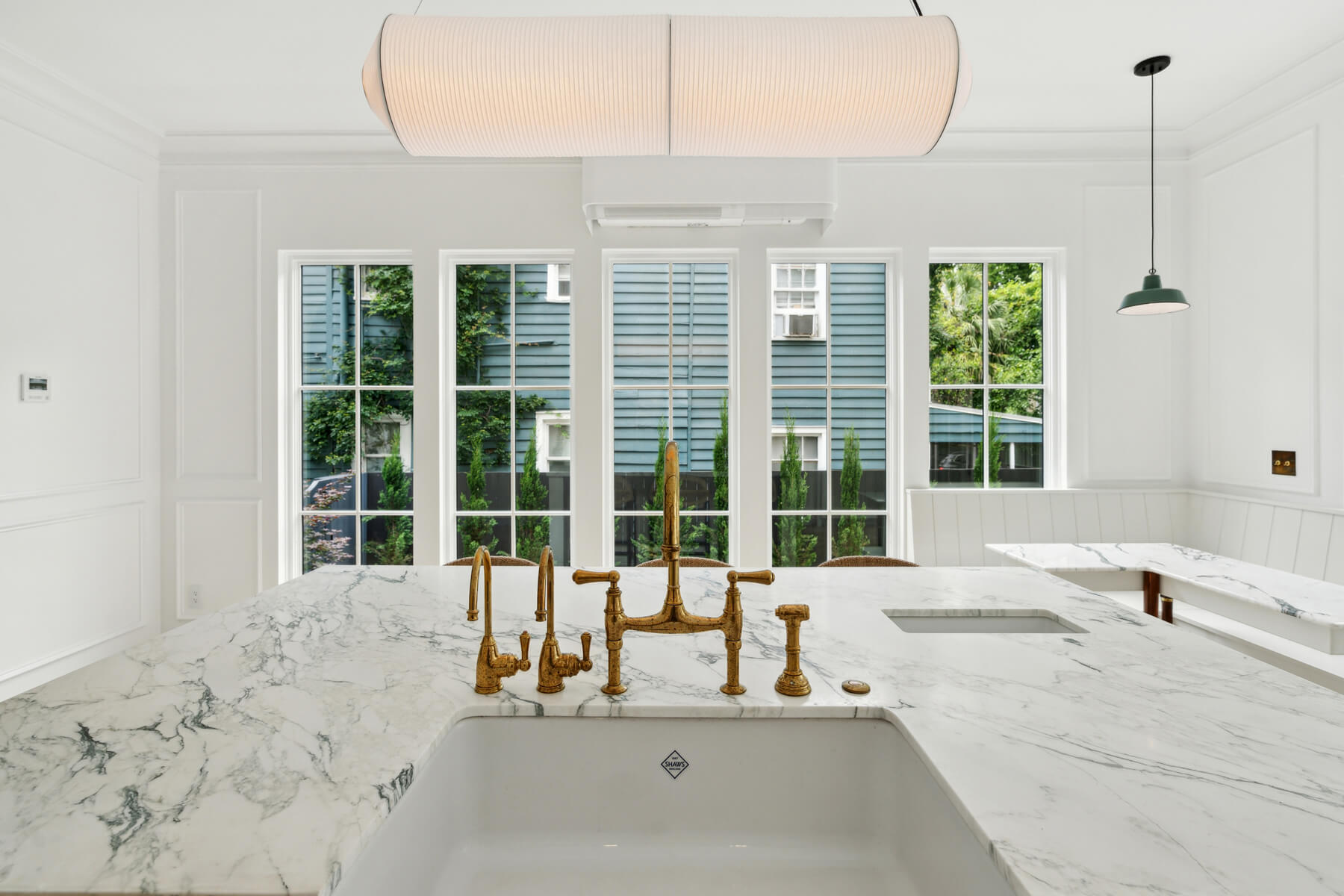
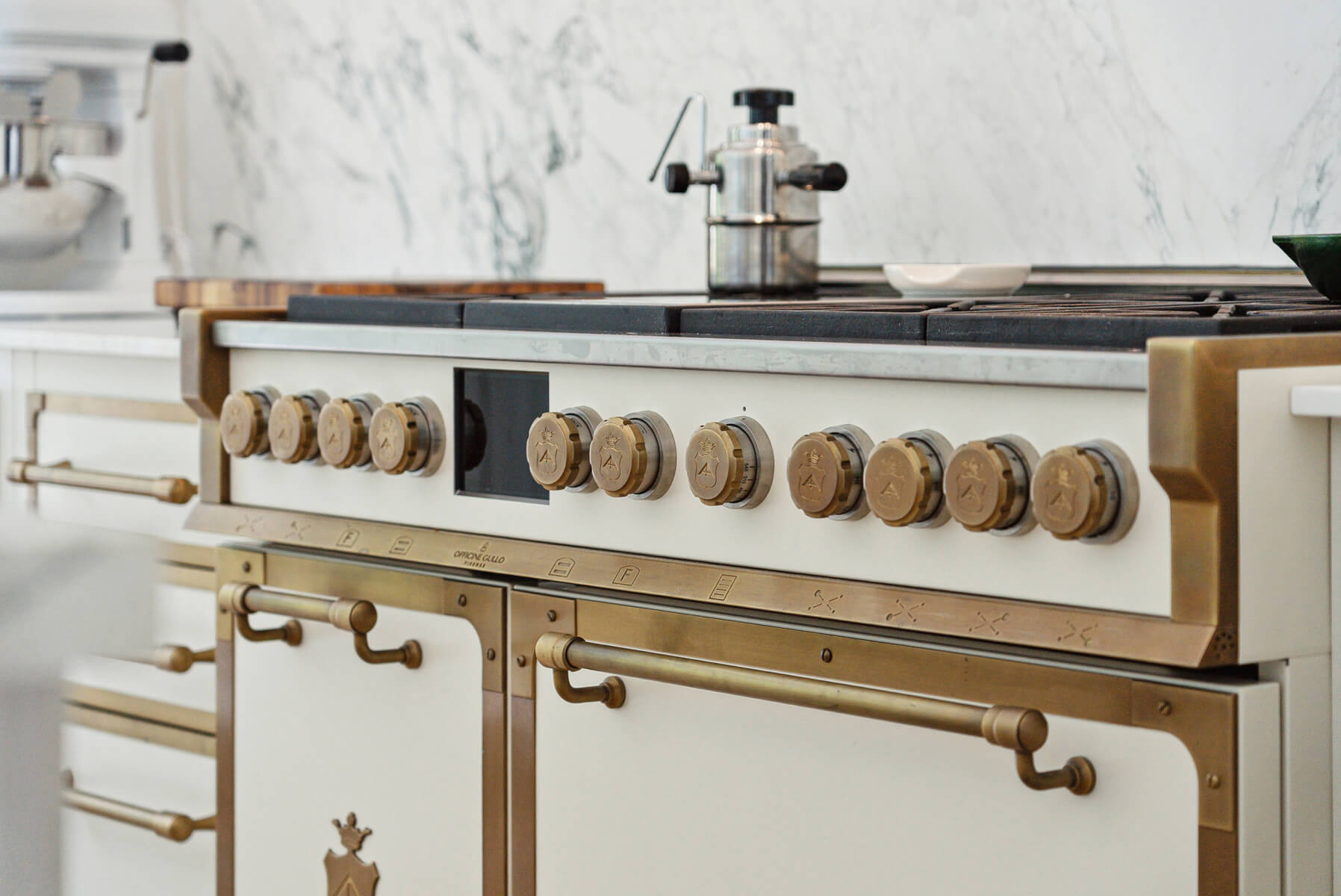
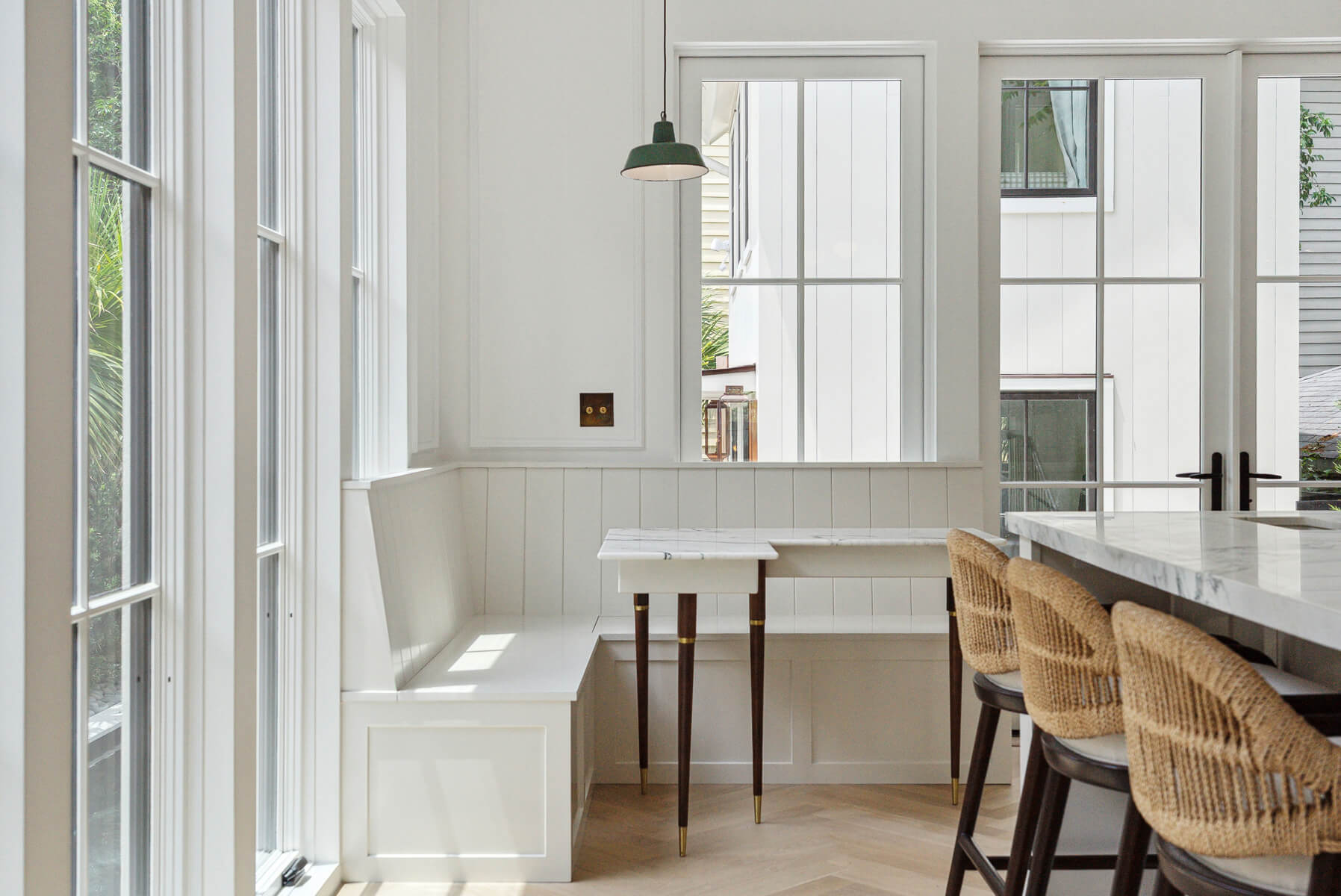
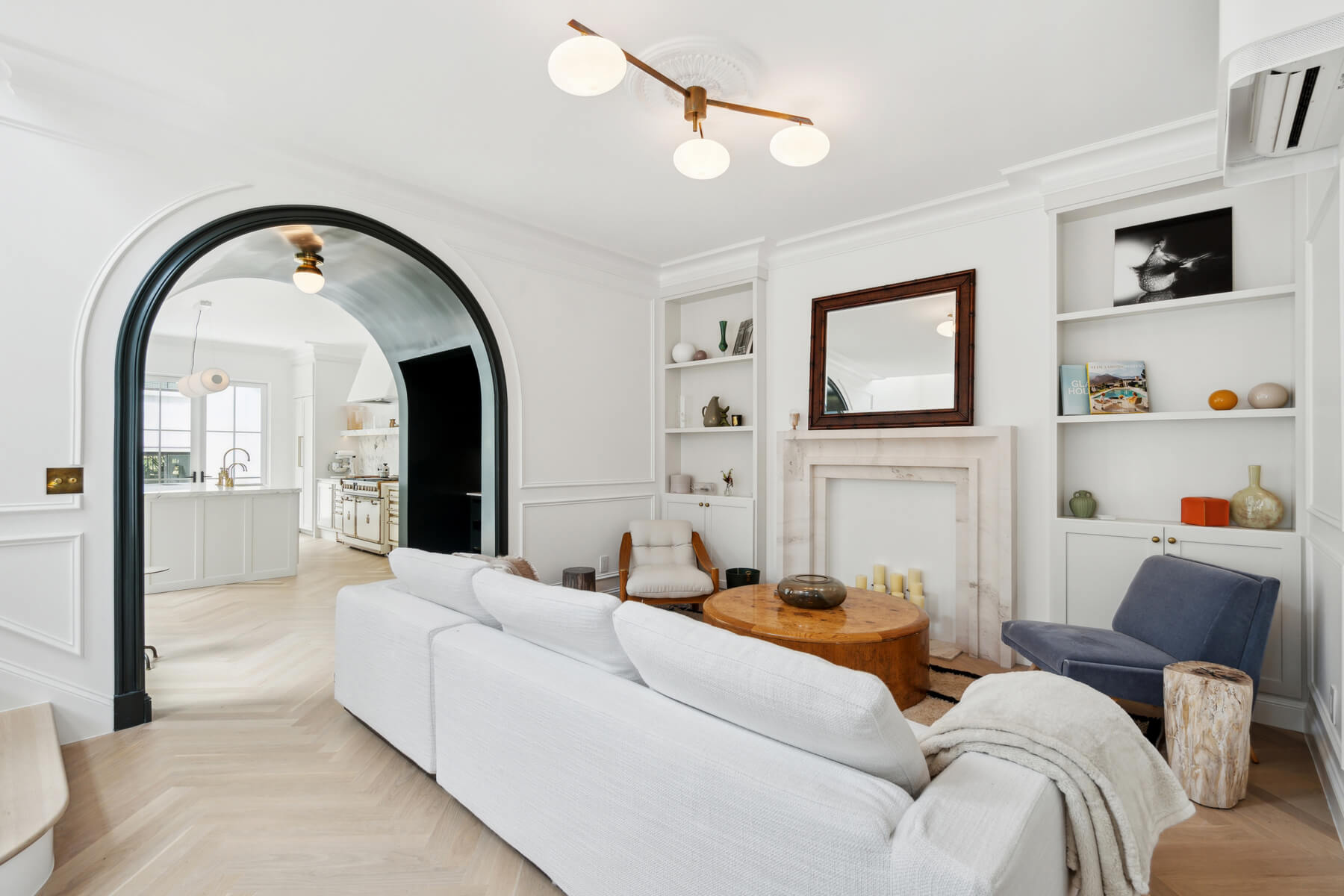
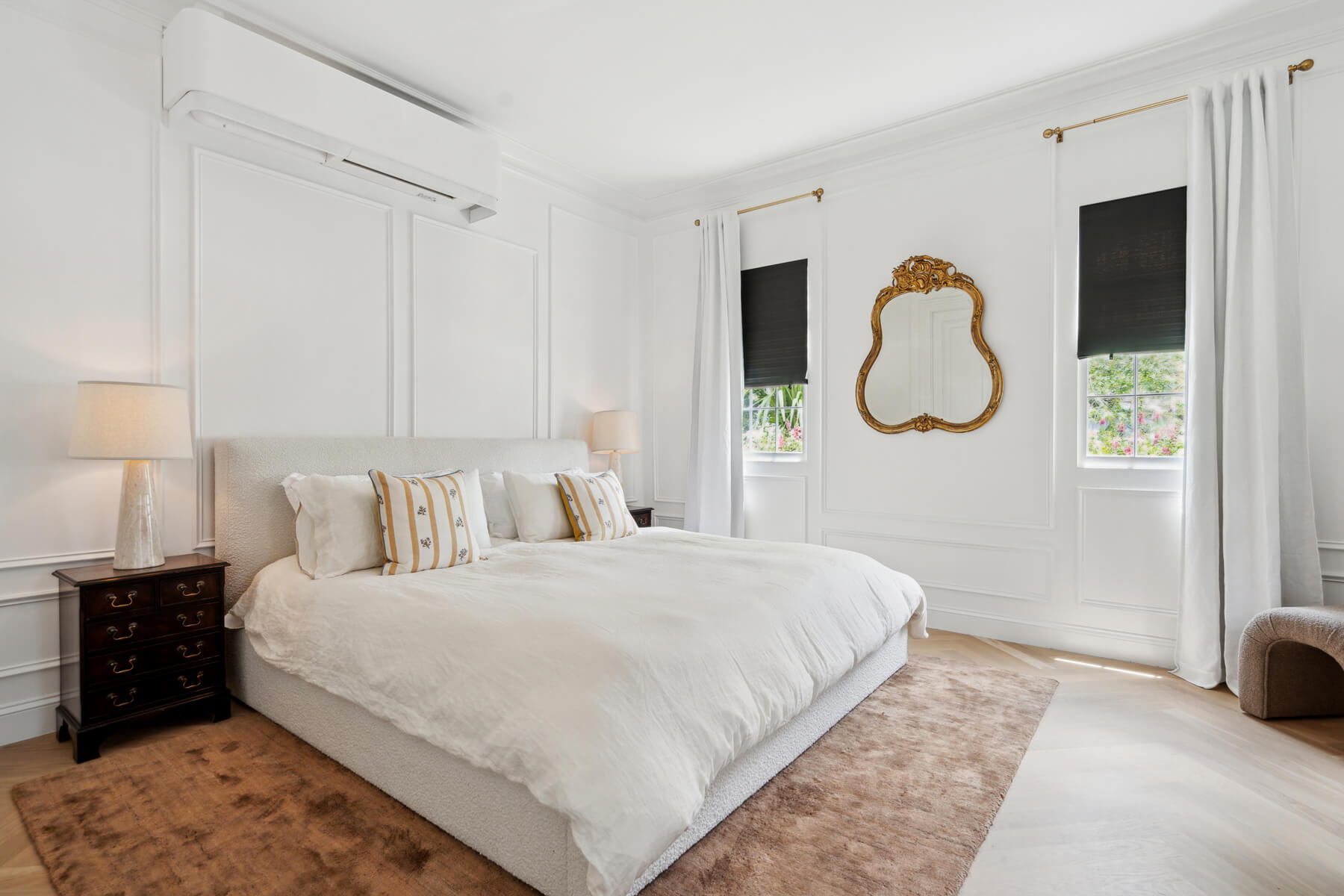
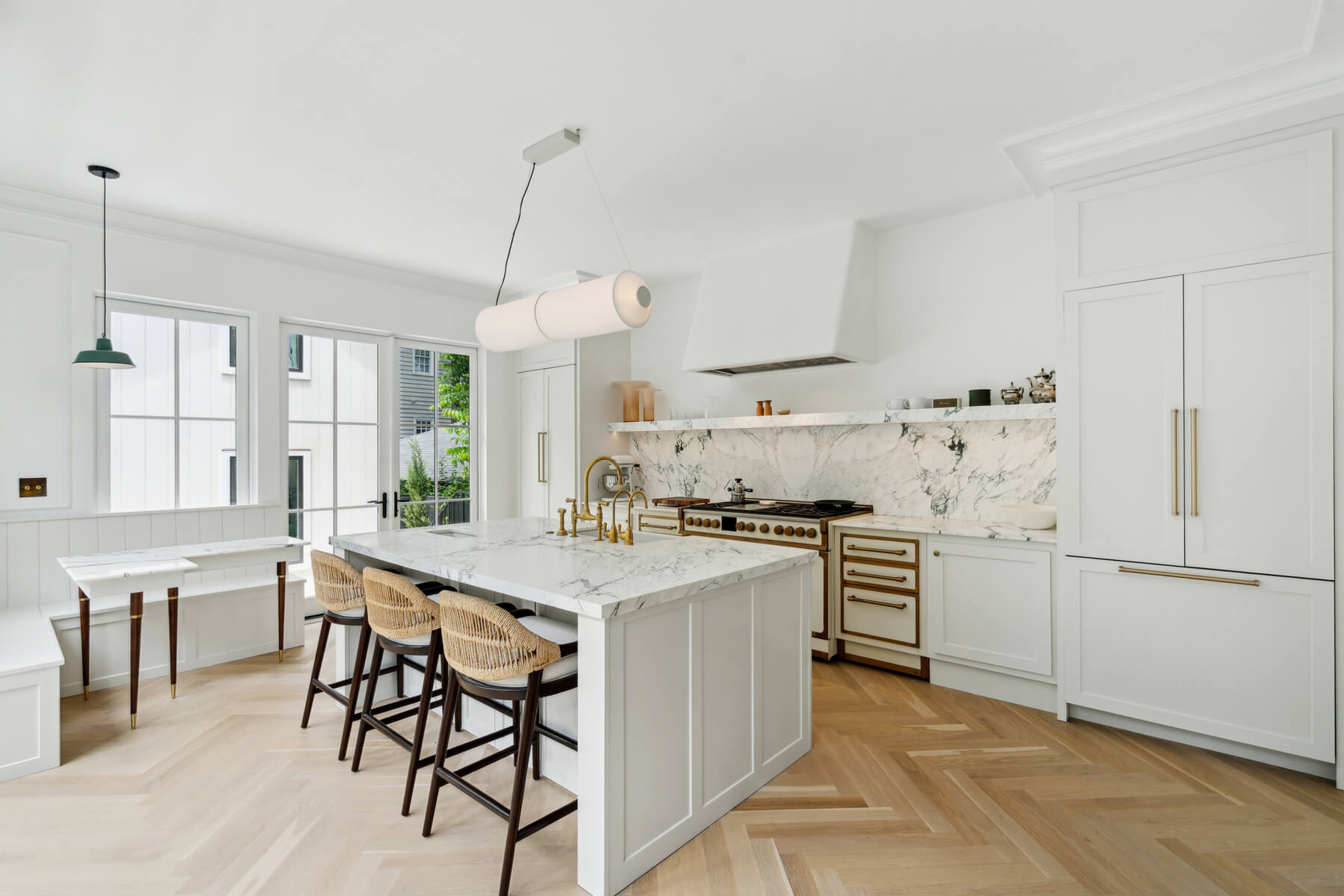
Inside, original hardwood floors were refinished to restore their natural warmth. Millwork and trim were restored, filled, and repainted to their original detailed profiles. The kitchen and bathrooms were updated with finishes that complement the home's age and character — thoughtful choices that feel cohesive rather than jarring against historic bones.
Historic Downtown Charleston homes are built on centuries-old foundations that sometimes require careful reinforcement. The foundation on this project was practically crumbling and needed full replacement. To comply with FEMA standards, the entire home was lifted off its original foundation, 14 feet in the air, while a new, higher foundation with 90 foot deep helical piles was installed. After the new foundation was complete, the historic structure was gently lowered back down. This approach ensures that the home is structurally sound for generations to come without altering its historic footprint.
Running new electrical, plumbing, and HVAC through a historic home requires more than just technical skill — it requires a crew experienced in working within tight, constrained spaces without damaging irreplaceable materials. Our team completed full electrical and plumbing upgrades while minimizing wall and ceiling intrusions. A new high-efficiency HVAC system was designed specifically for the home's layout and Charleston's coastal climate conditions.
Before and After:
The Morris Street Transformation
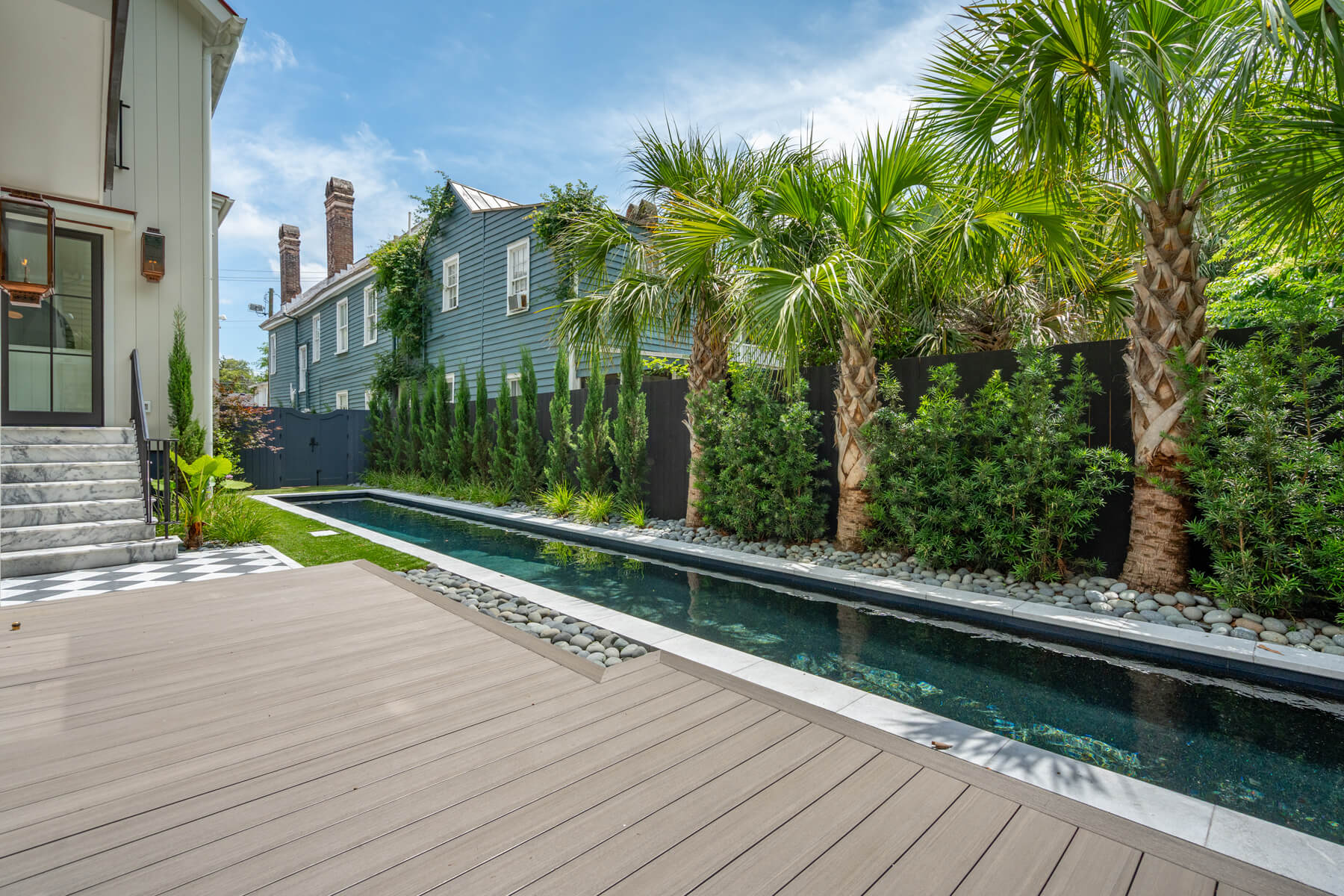
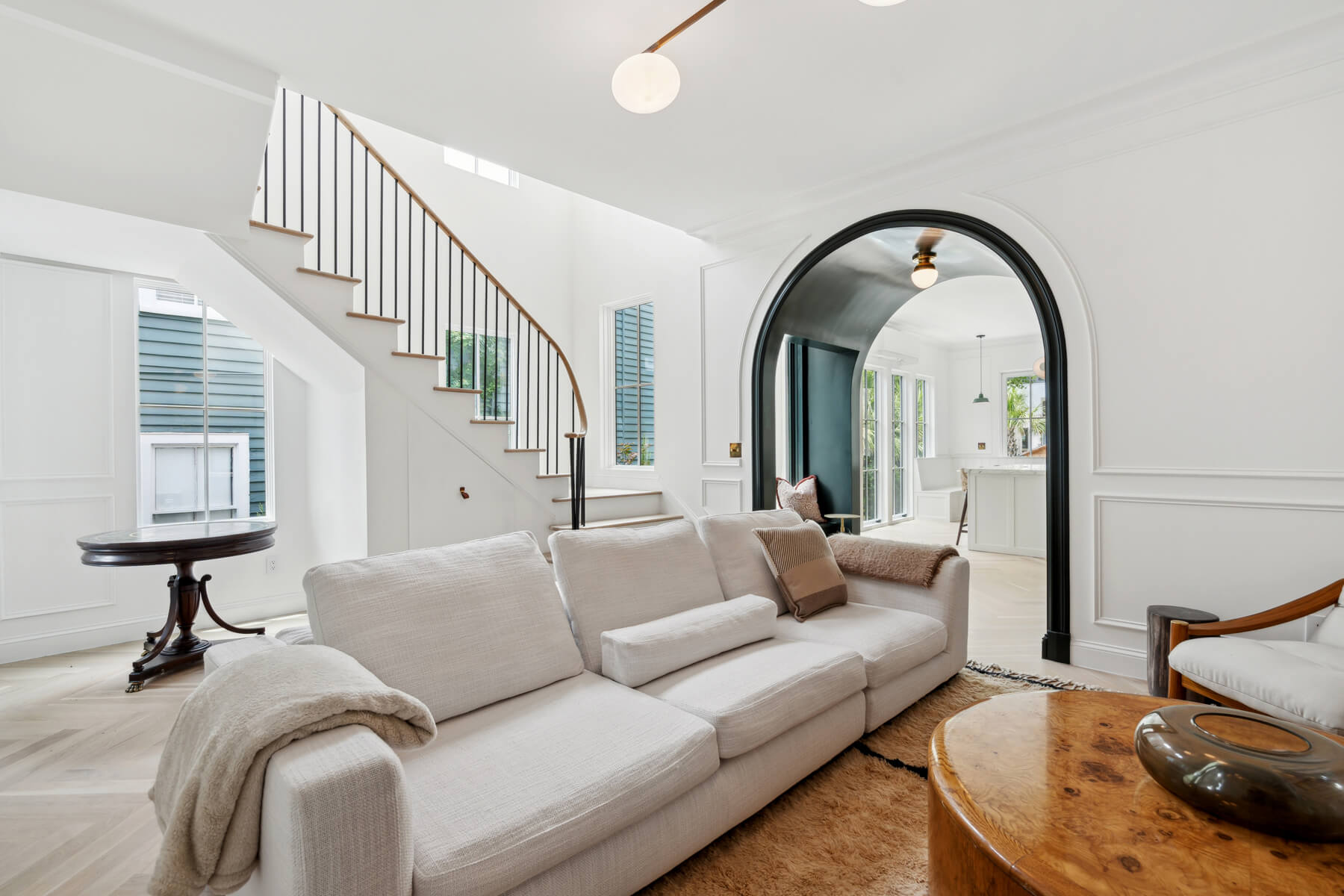
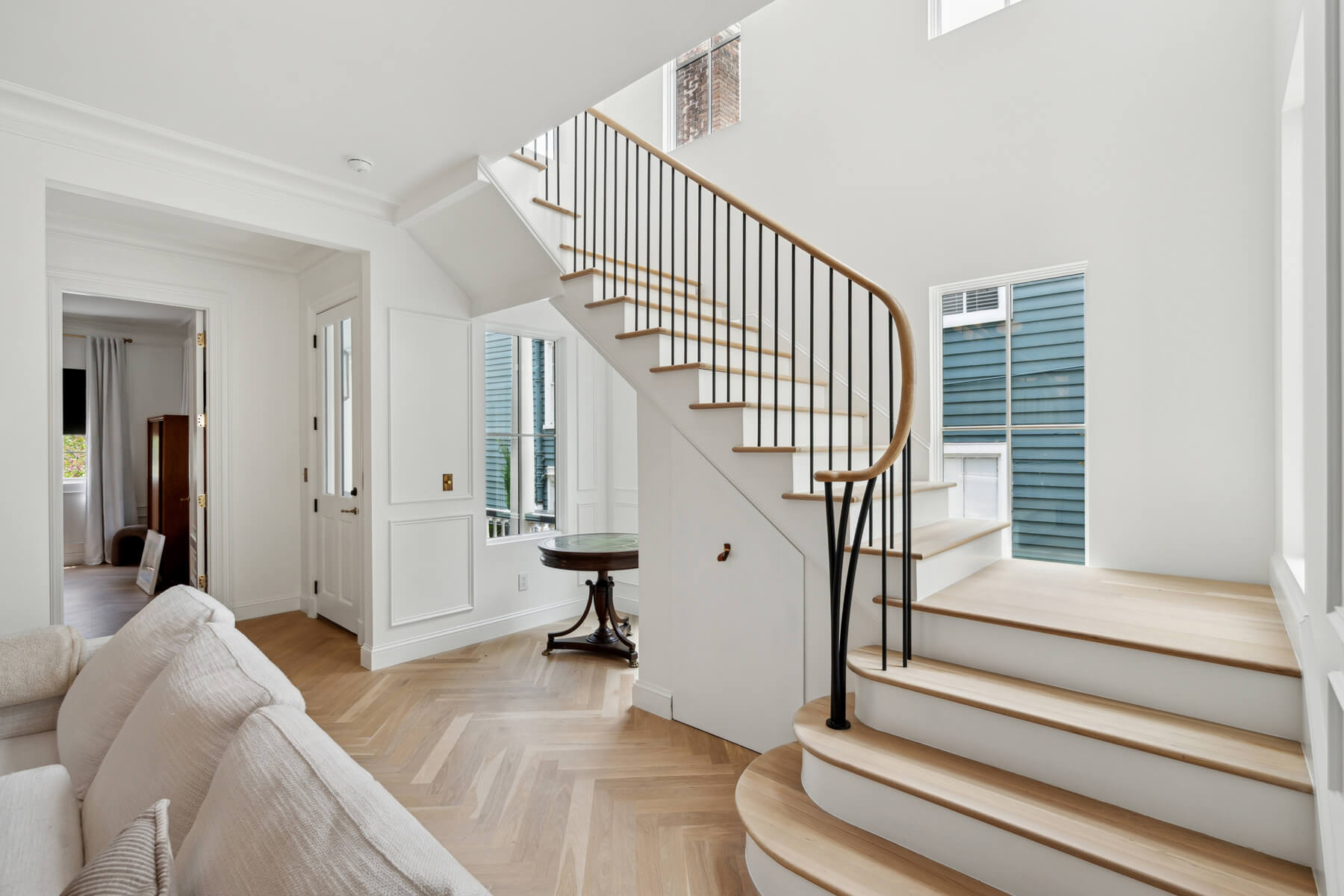
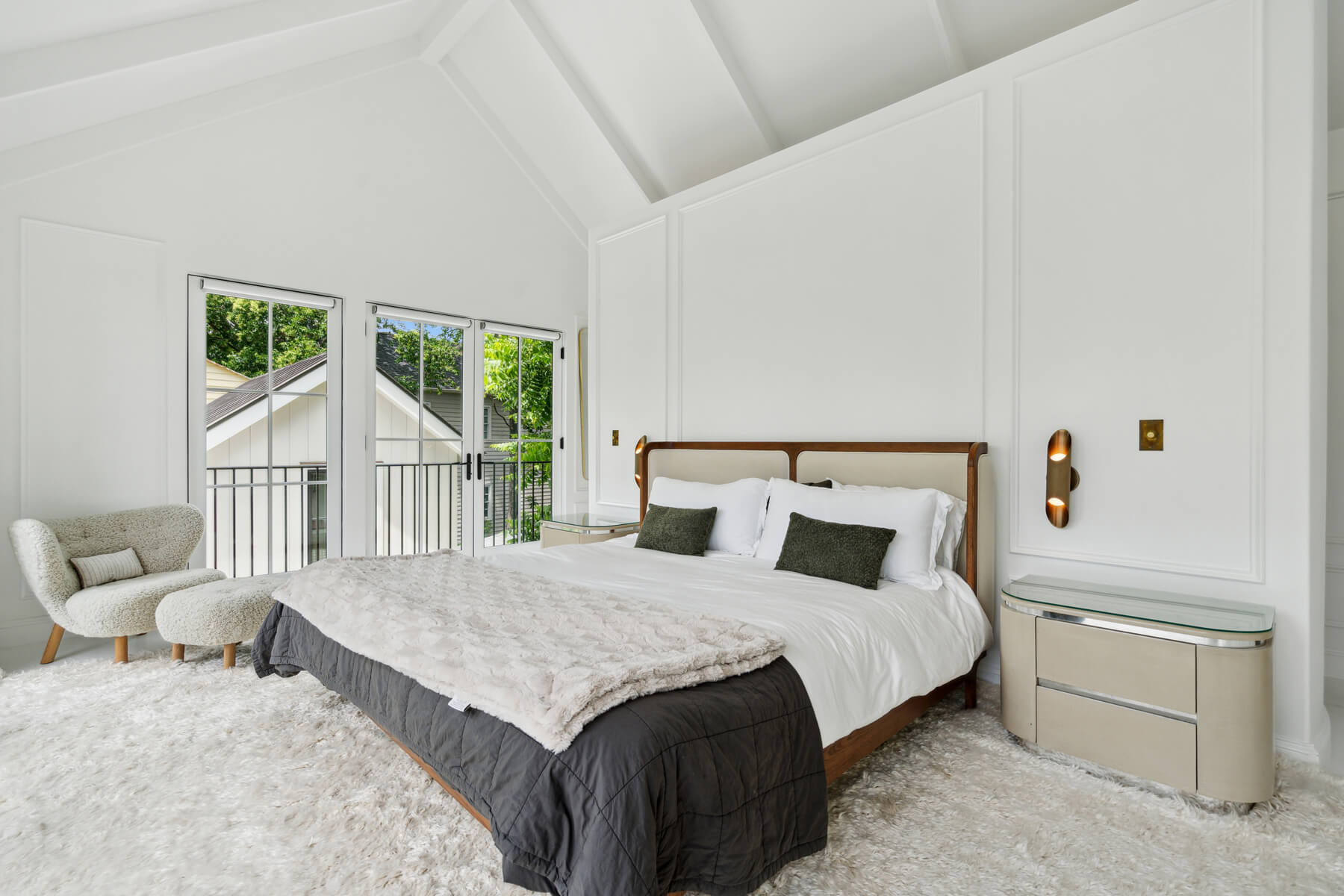
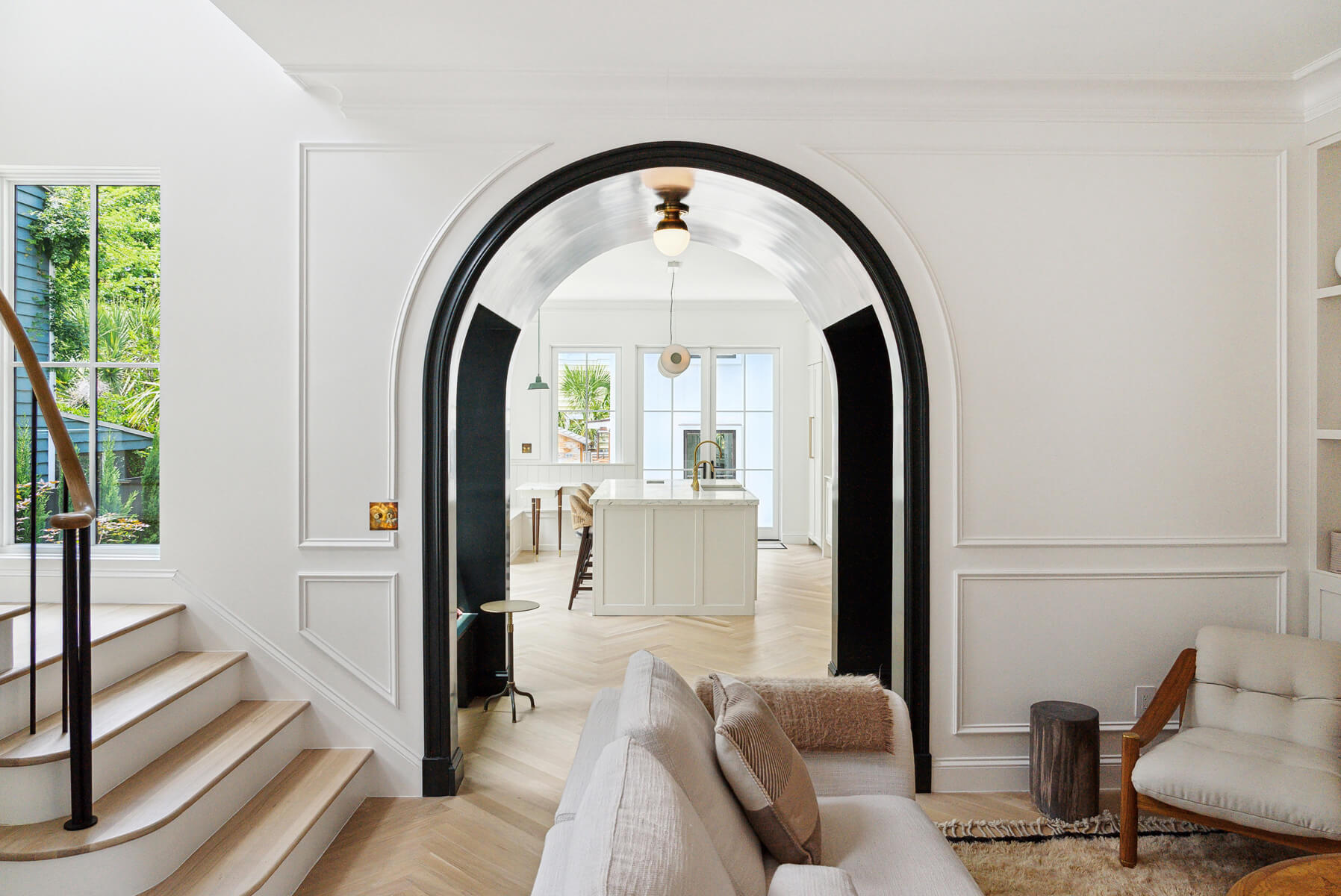
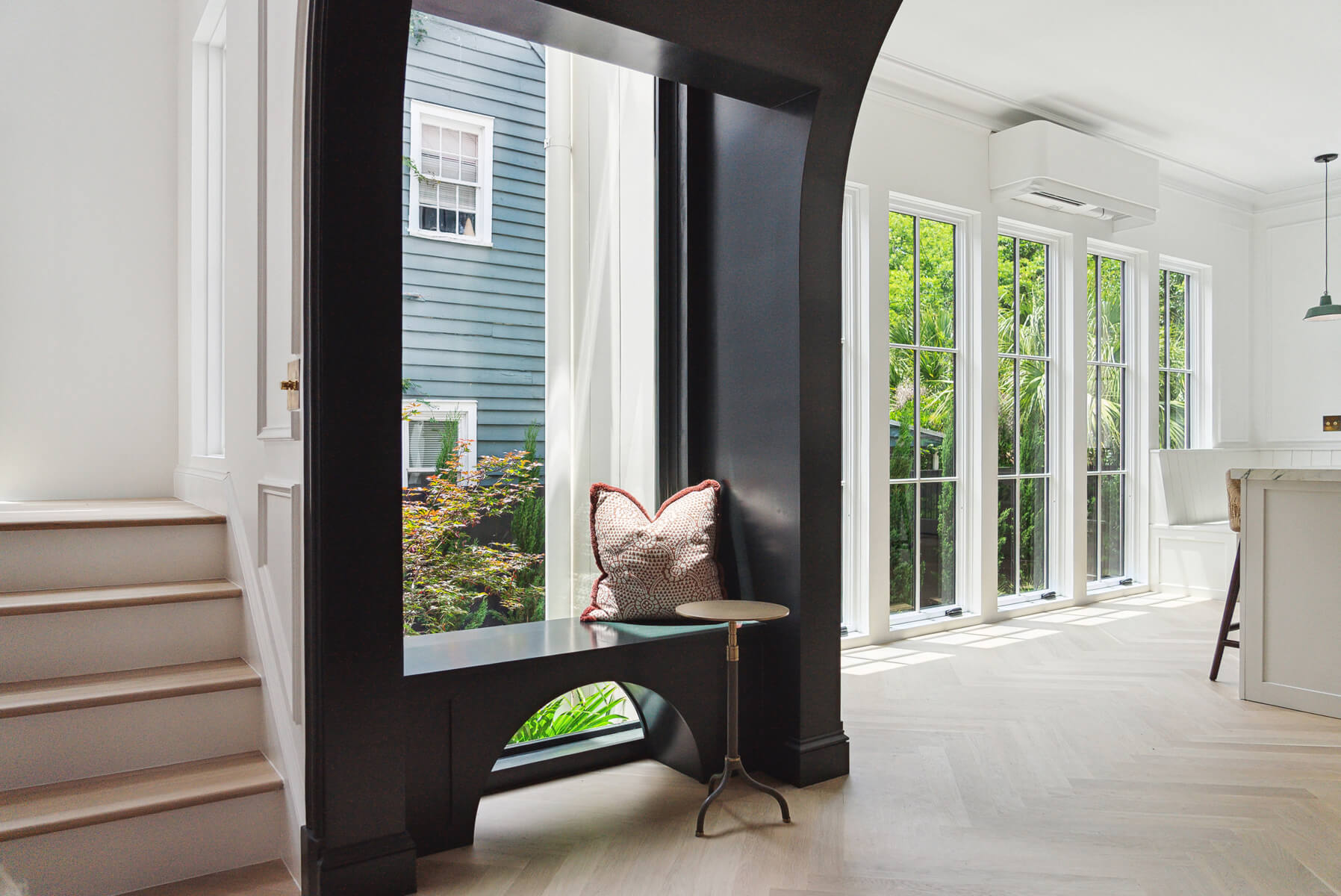
The before-and-after story of the Morris Street historic renovation is a testament to what skilled, patient rehabilitation work can accomplish.
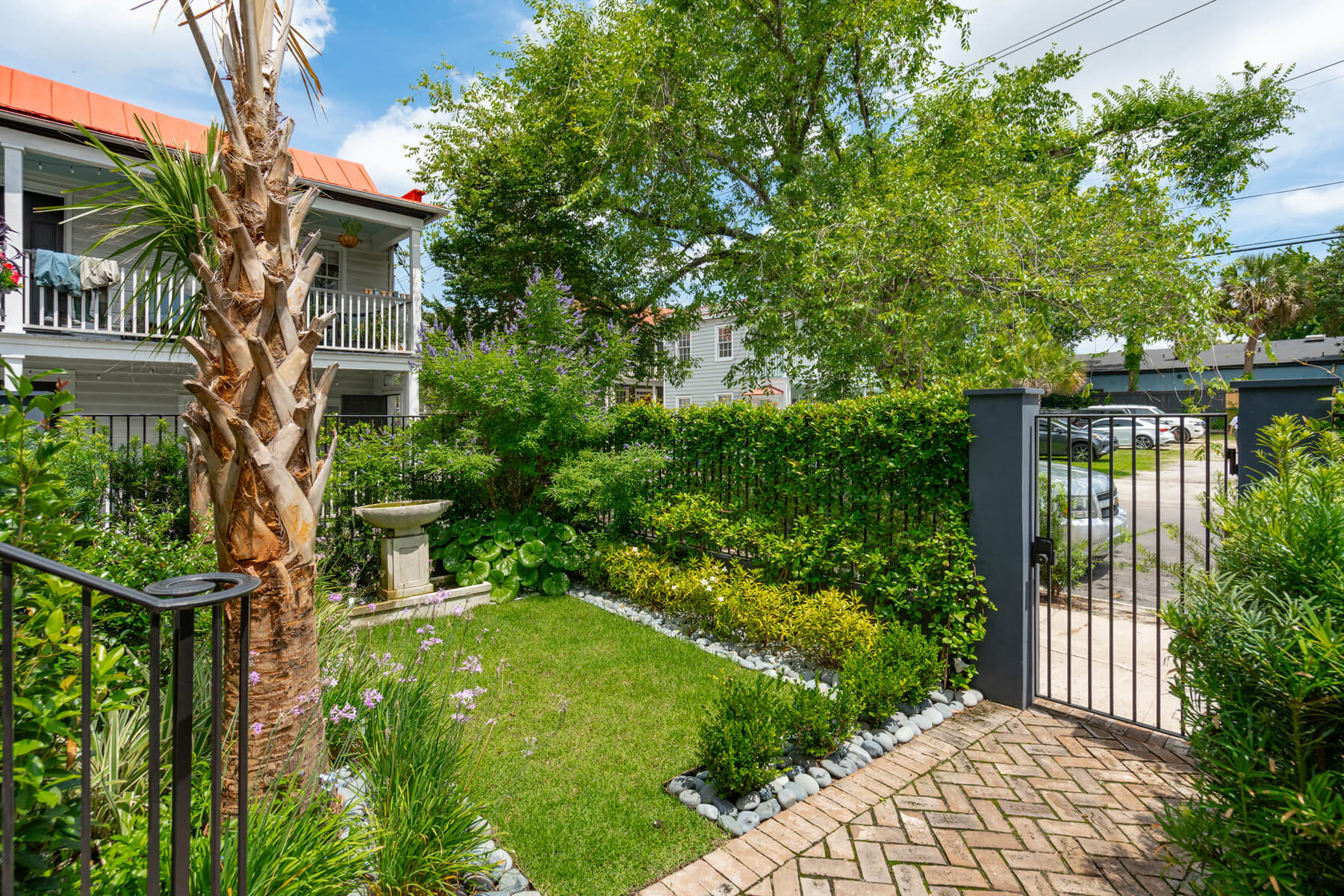
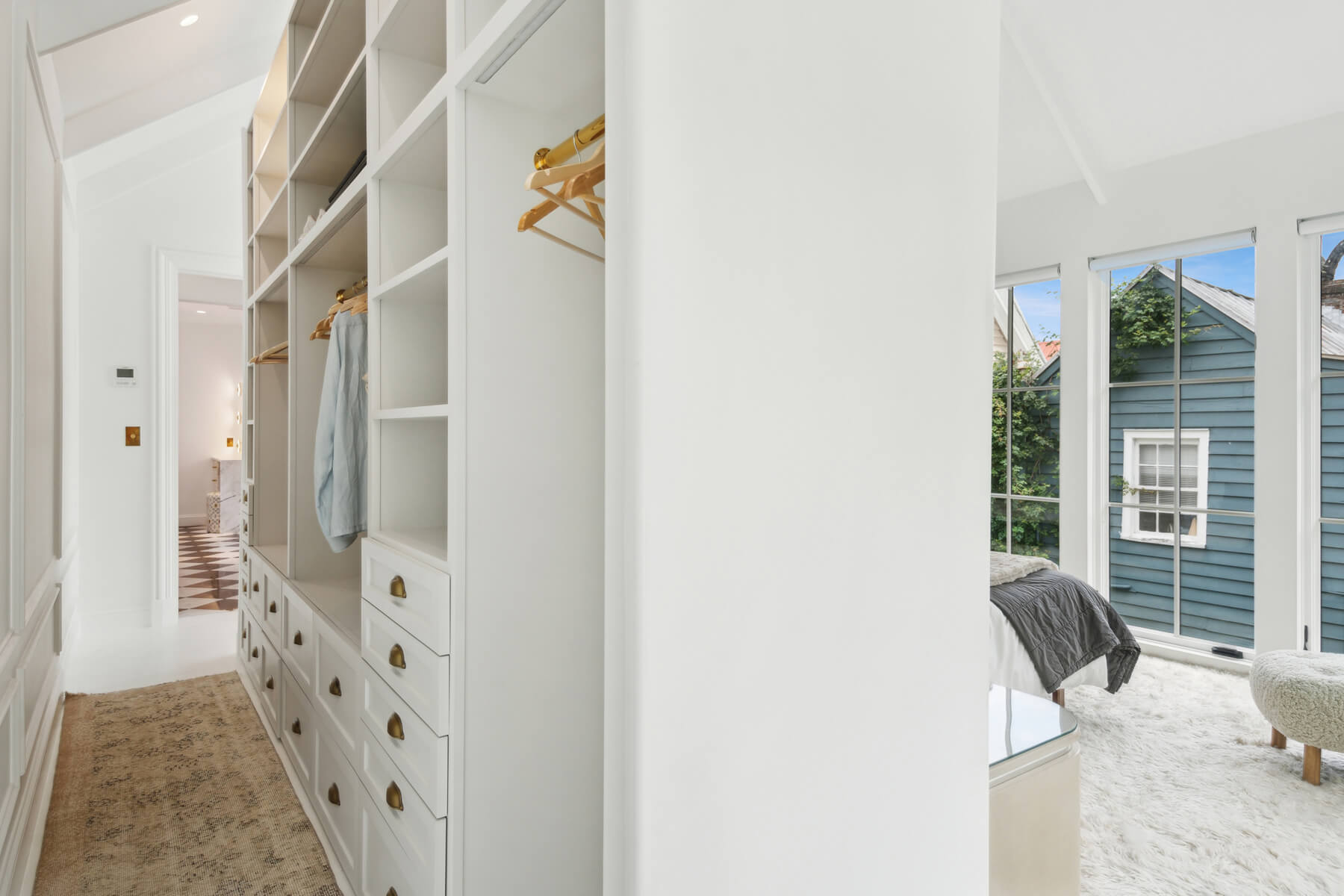
The home that once showed its age at every turn — peeling paint, tired systems, worn surfaces — now stands as a beautifully restored piece of Charleston’s architectural legacy, with all the comforts and reliability of a modern residence.
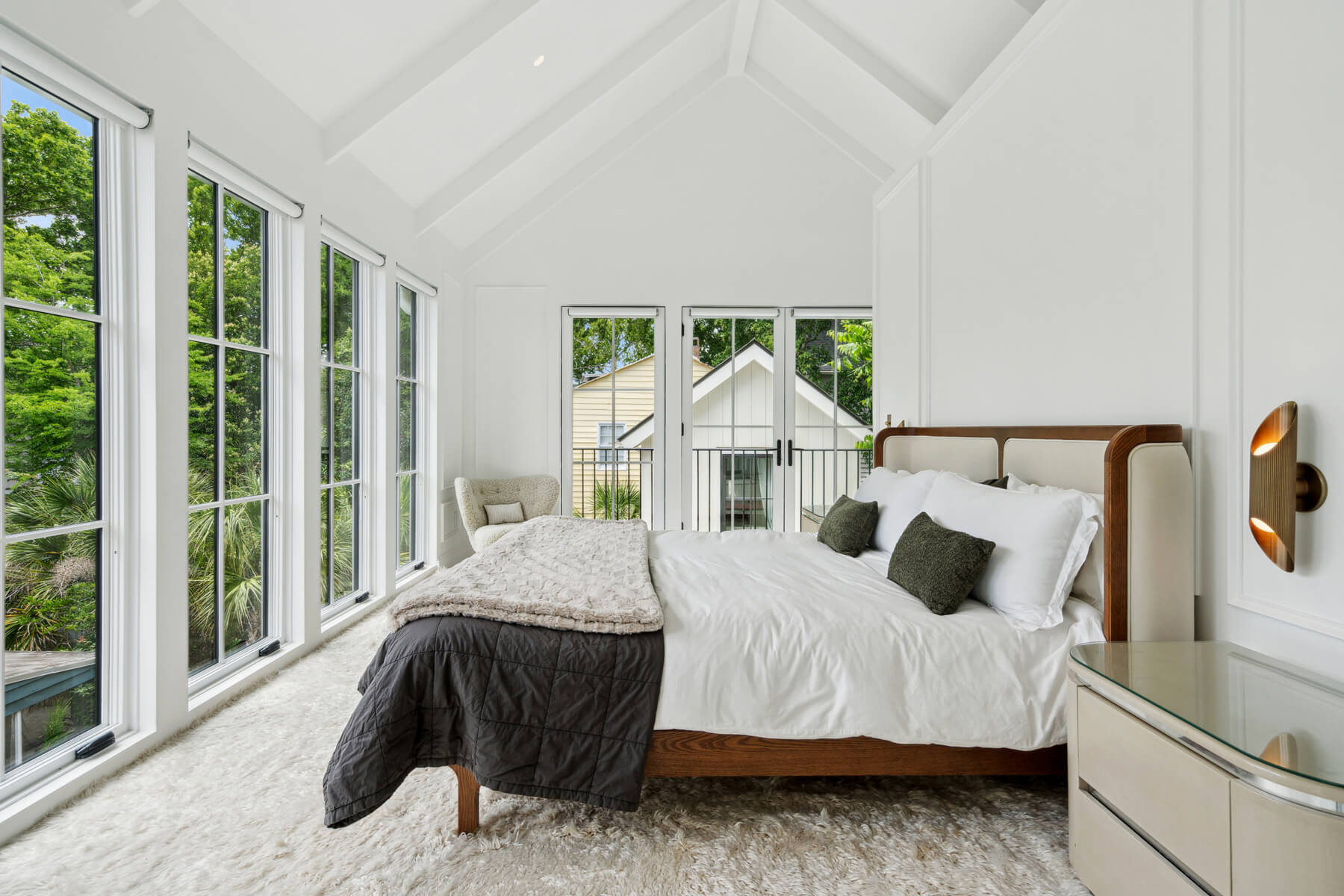
Interior spaces that once felt dated now showcase original details in their best light, complemented by thoughtful updates. Exterior surfaces that had suffered from decades of Lowcountry weather are now protected and preserved, their original character intact.







Why O'Connor Homes for Your Historic Renovation in Charleston
Not every contractor is equipped to handle historic home renovation in Downtown Charleston. It takes specialized knowledge of period construction methods, a well-established network of preservation-savvy subcontractors, and genuine respect for what these properties represent to the city.
O’Connor Homes brings all of that, plus the hands-on ownership involvement that sets us apart. Ben O’Connor works directly with clients on historic renovation projects — making decisions on-site, solving problems in real time, and ensuring that every detail of the finished project reflects the quality and care these remarkable homes deserve.
If you own a historic property in Downtown Charleston or the surrounding Lowcountry area and are considering a renovation or rehabilitation project, we invite you to reach out. The Morris Street project is just one example of what’s possible when expertise, respect for history, and exceptional craftsmanship come together.
Start Your Historic Renovation Conversation with O'Connor Homes
Ready to explore what a thoughtful, preservation-focused renovation could look like for your historic Charleston home?
Contact O’Connor Homes to schedule a project consultation. We serve homeowners throughout the Charleston area, including Downtown Charleston, the Historic District, South of Broad, Harleston Village, Wagener Terrace, and surrounding Lowcountry communities.
Frequently Asked Questions
Historic home renovation — also called historic restoration and rehab — involves restoring an older property while preserving its original historic fabric. That means materials and period-accurate details. Unlike a standard renovation that prioritizes modern updates, a historic renovation in Downtown Charleston must balance contemporary functionality with the preservation of original features like heart pine floors, plaster walls, transom windows, double-hung sashes, and ornate millwork. In Charleston’s Historic District, renovations must often comply with Board of Architectural Review (BAR) guidelines, which means the contractor needs specialized knowledge of preservation standards and local code requirements.
Yes — and the permitting process for historic renovation in Charleston is more involved than a standard project. Work on properties within Charleston’s Historic District typically requires approval from the Board of Architectural Review (BAR) before any exterior work begins. This includes changes to windows, doors, roofing, siding, porches, and other character-defining features. Interior structural changes and mechanical upgrades still require standard City of Charleston building permits. O’Connor Homes has extensive experience navigating the BAR review process and coordinating all permits so clients don’t have to manage it themselves.
The timeline for a historic home renovation depends on the scope of work, but most full-scale projects in Downtown Charleston range from 6 to 18 months. Variables include the size of the home, the condition of the existing structure, lead times for period-appropriate materials, and the BAR approval process for exterior changes. O’Connor Homes provides a detailed project timeline at the outset so clients know what to expect at every phase.
Charleston’s most concentrated historic housing stock is found in the Downtown Charleston Peninsula, particularly in the Old and Historic District, which includes streets like Morris Street, Wentworth Street, Ashley Avenue, Rutledge Avenue, and Broad Street. Sullivan’s Island and the surrounding Lowcountry also have historic coastal properties that qualify for preservation-focused renovation. O’Connor Homes has completed historic renovation projects throughout the greater Charleston area, including Downtown Charleston, Sullivan’s Island, and other historic neighborhoods across the Lowcountry.
South Carolina offers a Historic Rehabilitation Tax Credit for certified historic structures, which may cover up to 25% of qualified rehabilitation expenditures for income-producing properties and up to 25% for owner-occupied residences. At the federal level, the Federal Historic Tax Credit provides a 20% credit for qualified rehabilitations of income-producing historic properties. To qualify, the property must be listed on (or eligible for) the National Register of Historic Places, and the renovation must meet the Secretary of the Interior’s Standards for Rehabilitation.
Choosing the right contractor for a historic home renovation in Charleston, SC, is critical. Look for a builder with a demonstrated portfolio of completed historic renovation projects in the area, experience working with the Board of Architectural Review, and an understanding of period-appropriate materials and construction techniques. O’Connor Homes has built its reputation specifically on historic restoration and rehab in Charleston — combining the craftsmanship required to honor a home’s original character with the project management expertise to deliver on time and on budget.