

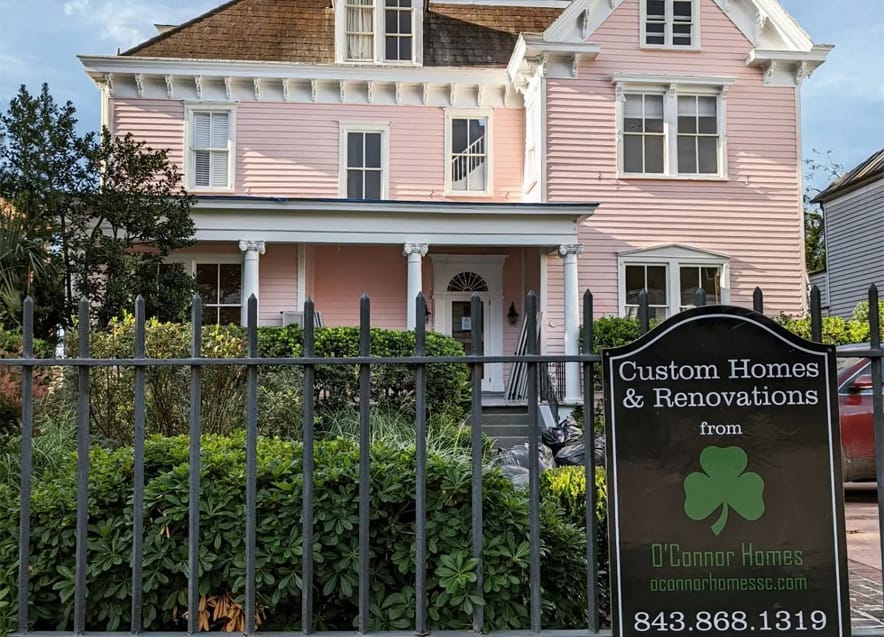
Historic Charleston homes were built long before modern HVAC systems, insulation standards, and rising utility costs. Yet many of these houses are still standing strong, thanks to quality materials, thoughtful siting, and details designed for our coastal climate. The challenge today is bringing these homes up to modern comfort and efficiency standards without erasing what makes them special.
The good news is that with the right approach, you don’t have to choose between a comfortable, energy-efficient home and preserving original windows, plaster, trim, and other historic details. Thoughtful upgrades can significantly lower your bills, improve comfort in Charleston’s heat and humidity, and protect your home’s structure — all while respecting your home’s past.
Start with An Energy Audit, Not a Guess
Before you start replacing systems or opening walls, it’s worth understanding exactly where your home is losing energy. An energy audit gives you a roadmap so your budget goes toward the upgrades that will actually make a difference.
A professional energy audit on a historic home typically includes:
- Blower-door testing to find where air is leaking in and out of the house
- Thermal imaging to identify hot and cold spots in walls, ceilings, and around openings
- Evaluation of existing windows, ductwork, insulation, and doors
In Charleston, preservation programs and state agencies specifically recommend energy audits as a first step so you can improve efficiency without damaging historic materials or changing character-defining features.
Seal the Small Leaks Before You Tackle Big Changes
In many older houses, the biggest energy losses don’t come from windows — it’s the hidden gaps around pipes, chimneys, attic hatches, recessed lights, and floor cavities. Addressing these “bypasses” often delivers faster gains than replacing major elements.
High-impact, low-visibility air sealing can include:
- Sealing penetrations in the attic and crawl space
- Caulking and weatherstripping around doors and window casings
- Tightening up ducts and sealing joints so conditioned air isn’t lost in walls and crawl spaces
Because this work happens behind the scenes, you keep your home’s original look while making it more comfortable and easier to heat and cool.
Insulate Thoughtfully — Attics and Crawlspaces First
Insulation is one of the best ways to improve comfort in a historic building, but it needs to be installed carefully. The goal is to stabilize indoor temperatures and reduce energy use without trapping moisture or damaging old plaster and framing.
Most preservation experts recommend:
- Prioritizing attic insulation to at least a modern R-value target while maintaining ventilation where needed
- Adding insulation in crawl spaces and basement areas to help control humidity and temperature swings
- Avoiding blown-in wall insulation in many historic homes, which can trap moisture and damage original plaster or siding if not designed with care
State preservation guidance in South Carolina specifically cautions against insulating historic walls unless there is a clear, well-vetted plan due to moisture and damage risks. By focusing on attics and crawl spaces first, you gain comfort and efficiency with far less risk to historic finishes.
Respecting Original Windows While Improving Performance
Original historic wood windows are often one of the most recognizable features of a historic Charleston home — and one of the first things homeowners think they need to replace. In reality, properly maintained historic windows, combined with storm windows and simple sealing, can perform surprisingly well.
Best-practice upgrades for historic windows include:
- Repairing sash, glazing, and frames instead of full replacement whenever possible
- Adding weatherstripping around sashes to cut drafts
- Installing interior or exterior storm windows that match the historic look and are fully reversible
Preservation and energy-efficiency guidelines recommend repairing and upgrading original windows rather than replacing them, noting that window replacement is expensive, often unnecessary, and can permanently alter a historic façade. With the right approach, you can keep the wavy glass and classic profiles while dramatically improving comfort.
Smarter, More Efficient HVAC That Works with Your Home
Charleston’s hot, humid summers make an efficient cooling strategy essential — but you don’t have to fill every ceiling with vents or carve up plaster walls to get there. The key is designing HVAC systems around the quirks of a historic structure, not forcing a one-size-fits-all solution.
Thoughtful HVAC options for historic homes include:
- High-efficiency heat pumps or mini-split systems that limit the need for bulky ductwork and can be tucked discreetly into rooms
- Zoned systems that allow different floors or wings to be conditioned independently, matching how you actually use the home
- Proper duct sealing and sizing, so you’re not losing energy in attics or crawl spaces
Local experts on historic homes emphasize sealing leaks before sizing or replacing equipment, then using load calculations to right-size HVAC systems instead of simply oversizing “for safety.” This protects both your energy bills and your historic materials by avoiding unnecessary moisture and temperature swings.
Use Shading, Shutters, and Ventilation to Your Advantage
Many historic Charleston homes were designed with passive comfort strategies long before air conditioning, including deep porches, operable shutters, tall windows, and thoughtful cross-ventilation. Re-engaging these features can reduce how hard your mechanical systems have to work.
Low-impact, high-benefit strategies include:
- Restoring and using original shutters or adding historically appropriate ones to manage solar gain
- Using interior shades or heavier curtains on west- and south-facing windows to cut heat gain in summer
- Preserving operable transoms and windows that allow for cross-ventilation during milder seasons
State guidance on historic energy efficiency specifically highlights shutters, shades, and fans as easy, reversible measures that protect historic fabric while making homes more comfortable.
Lighting, Controls, and Small Upgrades That Add Up
Not every energy-efficient upgrade requires construction. Small changes layered together can make a meaningful difference while leaving historic finishes untouched.
Easy, reversible upgrades include:
- Replacing older bulbs with efficient LEDs in existing fixtures
- Adding smart thermostats to better control heating and cooling schedules
- Installing smart power strips and turning off or unplugging electronics when not in use
In South Carolina, simple behavioral and low-cost upgrades have been shown to deliver notable reductions in energy use, especially when combined with sealing and insulation improvements. For historic properties, these smaller steps are particularly appealing because they’re completely reversible.
Preservation First: Why Reversibility Matters
Historic preservation standards emphasize that upgrades should be reversible wherever possible — that is, future owners could remove them without permanent damage to the original building. This principle is especially important when you’re improving energy efficiency.
In practice, that means:
- Favoring storm windows over window replacement
- Avoiding wall-insulation methods that require removing historic plaster
- Choosing HVAC and wiring routes that minimize cuts into original finishes
When in doubt, it’s wise to consult both a contractor experienced in historic restoration in Charleston and local preservation resources before committing to a major efficiency upgrade. That way, every change you make respects the story your home has been telling for decades — or even centuries.
At O’Connor Homes, we specialize in in helping Charleston homeowners modernize thoughtfully, so your house feels better to live in today while still looking and living like the historic home you fell in love with. Reach out to today to discuss your project.